
Every industry has its own challenges, workflows, and business requirements. A healthcare organization may need tools for appointment scheduling and patient records, while a retail business may focus on inventory management and customer relationships. Similarly, marketing teams require content and analytics tools, whereas manufacturing companies may depend on production planning and quality control software.
Choosing the right industry-specific tools can help businesses save time, improve productivity, reduce manual work, and manage operations more effectively. However, with so many software platforms and digital solutions available, selecting the right option can feel overwhelming.
The best tool is not always the most popular or expensive one. It is the solution that matches your business needs, supports your daily workflow, and provides value over time.
This guide explains how to choose the right tools for your industry, what factors to consider, and how to make a confident decision.
What Are Industry-Specific Tools?

Industry-specific tools are software applications, digital platforms, and specialized technologies designed to support the requirements of a particular industry or profession.
Unlike general-purpose software, these tools often include features tailored to specific workflows, regulations, tasks, and business processes.
For example, a restaurant may use a reservation and point-of-sale system, while a construction company may require project scheduling and site management software.
Industry-specific tools can help organizations manage daily operations, organize information, communicate with teams, and improve decision-making.
Why Choosing the Right Industry Tools Matters
<AsyncImage query=”business team collaborating using industry software tools on computers” aspectRatio=”16:9″ width=”100%”/>
Selecting suitable tools can have a direct impact on how efficiently a business operates. The right software can simplify repetitive tasks and help employees focus on more valuable activities.
Improve Productivity
Tools designed for specific workflows can reduce the time spent on manual tasks. For example, project management software can organize assignments, deadlines, and team responsibilities in one place.
Reduce Operational Costs
Suitable tools may help reduce unnecessary software expenses, repetitive work, and process-related errors. Businesses can improve efficiency without automatically increasing team size.
Improve Accuracy
Automation and structured data entry can reduce common mistakes. Accounting software, inventory systems, and customer management platforms can help businesses maintain more organized records.
Support Better Decisions
Many industry tools provide reports, dashboards, and analytics. These features help businesses review performance and identify areas that may need improvement.
Strengthen Customer Experience
Tools that improve communication, service delivery, and customer information management can help businesses respond more effectively to customer needs.
Common Industry-Specific Tools and Their Uses
Different industries require different types of software. Understanding these requirements is the first step toward choosing an appropriate solution.
<AsyncImage query=”industry software tools healthcare retail manufacturing marketing dashboard collage” aspectRatio=”16:9″ width=”100%”/>
| Industry | Common Tool Types | Main Purpose |
|---|---|---|
| Healthcare | Practice management, appointment scheduling, health records | Manage healthcare operations |
| Retail and E-commerce | POS, inventory, customer relationship management | Manage sales and stock |
| Education | Learning management systems, student information systems | Organize learning and administration |
| Marketing | SEO, analytics, content management, email marketing | Improve campaigns and content workflows |
| Finance | Accounting, invoicing, budgeting, reporting | Manage financial operations |
| Manufacturing | Production planning, quality management, maintenance software | Support production processes |
| Construction | Project management, estimating, site management | Coordinate projects and resources |
| Hospitality | Booking, reservation, property management | Manage guests and services |
The exact requirements depend on business size, location, operational complexity, and the services provided.
1. Identify Your Industry’s Specific Needs
Before comparing software platforms, understand the problems you want to solve. Businesses often make the mistake of choosing tools based on popularity instead of actual requirements.
Start by reviewing your daily operations. Identify tasks that take too much time, create confusion, or require repeated manual work.
Ask These Questions
- What tasks are currently difficult to manage?
- Which processes require automation?
- What information needs to be organized?
- Which teams will use the tool?
- What business goals should the tool support?
For example, a marketing agency may need a content calendar, SEO analysis, and campaign reporting. A retail business may prioritize stock tracking, billing, and sales reporting.
Create a list of essential features before exploring available options.
2. Evaluate the Features and Functionality

<AsyncImage query=”software comparison dashboard features digital business tools laptop” aspectRatio=”16:9″ width=”100%”/>
Once you understand your requirements, compare the features offered by different tools. Focus on functionality that supports your workflow rather than choosing a platform with the largest feature list.
Some tools offer extensive capabilities, but those features may not be necessary for your business.
Essential Features to Consider
Core functionality: Does the tool solve the main problem you identified?
Ease of use: Can employees understand and use it without extensive training?
Customization: Can the platform adapt to your workflow?
Automation: Does it reduce repetitive tasks?
Reporting: Can it provide useful insights into performance?
Integration: Can it work with your existing systems?
A simple tool that performs essential tasks reliably may be more valuable than a complicated platform with features your team rarely uses.
3. Consider Your Budget and Total Cost
The price of a tool is an important factor, but the subscription fee is not always the complete cost. Businesses should consider the total cost of using the software over time.
Some platforms charge monthly or annually, while others use usage-based pricing or require additional fees for advanced features.
| Cost Factor | What to Check |
|---|---|
| Subscription | Monthly or annual pricing |
| Setup | Initial configuration or implementation fees |
| Training | Time and resources needed to train employees |
| Integrations | Additional charges for connecting other systems |
| Support | Availability of technical assistance |
| Upgrades | Costs for advanced plans or additional users |
Tips for Managing Software Costs
- Compare pricing across multiple providers.
- Check free trials and available plans.
- Avoid paying for unnecessary features.
- Consider the number of users required.
- Review renewal terms and cancellation policies.
A suitable tool should provide clear value relative to its cost.
4. Check Security, Privacy, and Compliance

Security is particularly important when tools handle sensitive business or customer information. Different industries may have specific requirements for data protection, record management, and compliance.
For example, healthcare organizations may handle confidential patient information, while financial businesses may manage sensitive transaction data.
Before selecting a platform, review its security practices.
Important Security Considerations
- Data encryption and access controls.
- User permissions and authentication options.
- Data backup and recovery processes.
- Privacy policy and data storage practices.
- Relevant industry or regional compliance requirements.
- Procedures for exporting or deleting business data.
Businesses should consult their legal, compliance, or IT teams when handling regulated information. Do not assume that a tool meets industry requirements simply because it advertises strong security.
5. Review Integration and Compatibility
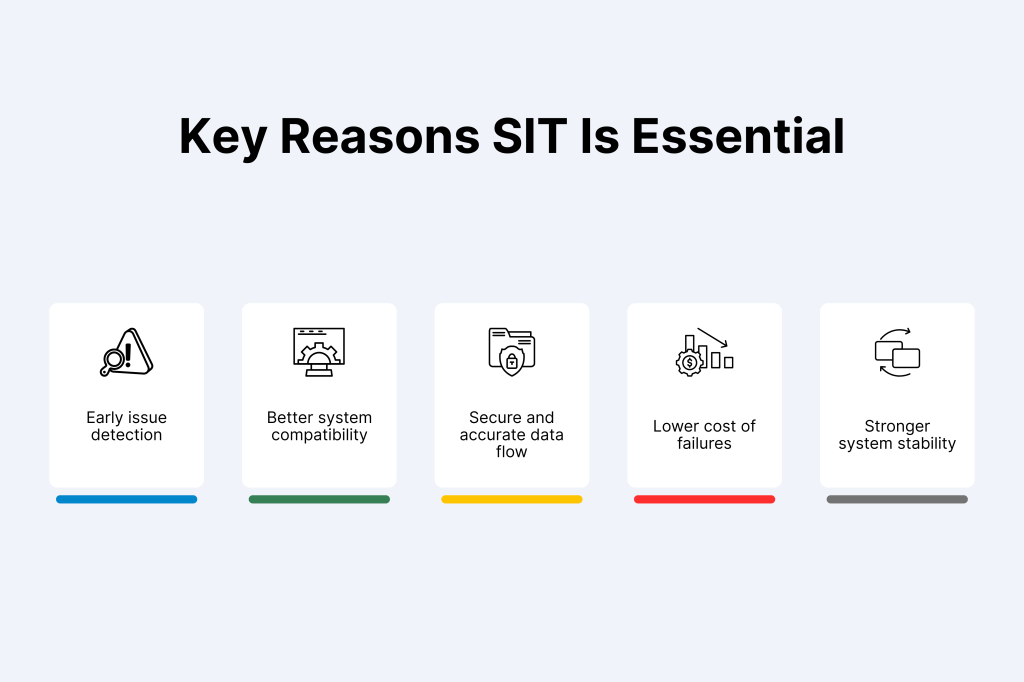
Businesses often use multiple digital tools for different tasks. If these platforms cannot communicate with one another, employees may need to enter the same information repeatedly.
Integration allows tools to exchange information and support connected workflows.
For example, a marketing platform may connect with a customer relationship management system, while an e-commerce store may integrate with inventory and payment tools.
What to Check Before Choosing
- Does the tool integrate with your current software?
- Are integrations included in the selected plan?
- Does it support APIs or automation platforms?
- Can information be transferred without manual work?
- Is the integration reliable and easy to maintain?
Good compatibility can make a software solution more useful and reduce operational complexity.
6. Test the Tool Before Making a Final Decision
<AsyncImage query=”professional testing software free trial on laptop at desk” aspectRatio=”16:9″ width=”100%”/>
A free trial, demo, or pilot project can help you understand how a tool works in real situations. Instead of relying only on advertisements or feature descriptions, test the platform using actual business tasks.
How to Conduct a Useful Trial
- Select a small team to test the software.
- Define the tasks the tool should complete.
- Test its main features and integrations.
- Review ease of use and performance.
- Collect feedback from employees.
- Compare results with your existing workflow.
Testing helps identify potential issues before the business commits to a long-term subscription.
7. Consider Scalability and Future Growth
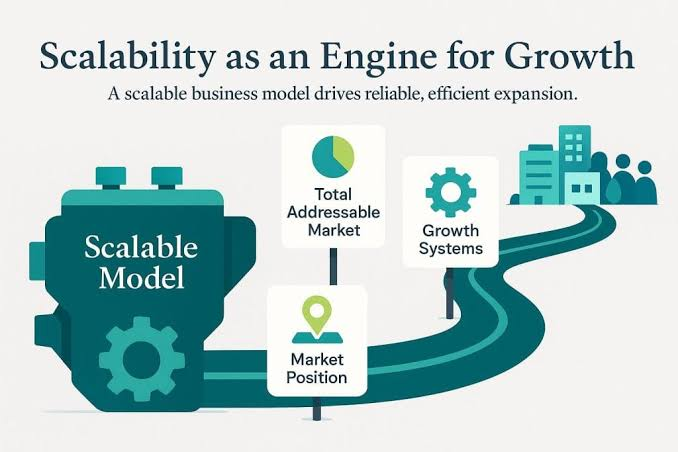
A tool that works for a small business may not be suitable when the organization expands. As a company grows, it may require more users, additional features, increased storage, or more advanced reporting.
Choose software that can support future requirements without requiring a complete replacement.
Scalability Factors
- Ability to add more users.
- Flexible subscription plans.
- Support for additional business locations.
- Higher data or usage limits.
- Advanced automation and reporting.
- Reliable customer support.
It is not necessary to purchase the largest plan immediately. Instead, choose a platform with a reasonable upgrade path.
8. Compare Tools Using a Simple Evaluation Framework
A structured comparison can make the selection process easier. Rather than relying on personal opinions, evaluate each tool against the same criteria.
The following example uses a five-point scale, where 1 means poor and 5 means excellent.
| Evaluation Criteria | Tool A | Tool B | Tool C |
|---|---|---|---|
| Required features | 5 | 4 | 3 |
| Ease of use | 4 | 5 | 3 |
| Pricing value | 3 | 4 | 5 |
| Security | 5 | 4 | 4 |
| Integration | 4 | 3 | 5 |
| Scalability | 5 | 4 | 3 |
These are illustrative scores, not ratings of actual products. Businesses should assign scores based on their own research and testing.
You can also give higher importance to specific factors. For example, security may be essential for healthcare, while integration and automation may be especially important for a marketing agency.
Common Mistakes to Avoid When Choosing Industry Tools

Selecting software without proper evaluation can create unnecessary costs and operational problems.
Choosing Based Only on Popularity
A well-known platform may not be the right fit for your industry or workflow. Compare tools according to your requirements.
Ignoring Employee Feedback
Employees who use the software daily can identify usability problems and missing features. Include them in the evaluation process.
Overlooking Hidden Costs
Additional users, integrations, setup, and support may increase the overall cost. Review pricing carefully.
Buying Too Many Tools
Using separate platforms for every task can create confusion and data duplication. Cons
How to Choose the Right Tools for Your Industry
Every industry has its own challenges, workflows, and business requirements. A healthcare organization may need…

Online Tool Ratings: Find the Right Tools for Your Needs
Online tools have become an important part of everyday life. From managing business activities and…

How to Improve Productivity: Simple Tips for Better Results
Productivity is not just about completing more tasks in less time. It is about using…
Best Productivity Tools 2026: Work Smarter & Save Time
Staying productive in a world full of notifications, deadlines, meetings, and digital distractions can be…
Best Free Trial Tools 2026: Try Premium Software for Free
Paying for software before knowing whether it actually works for you can be frustrating. You…

Best Meeting & Presentation Tools for Better Work in 2026
Meetings are a normal part of working life, but nobody enjoys a meeting that could…