
Let’s be completely honest with ourselves: we are currently drowning in a sea of apps, platforms, and digital software. No matter what task you are trying to tackle today—whether you are managing a chaotic remote team, trying to balance your small business finances, designing graphics for social media, or just trying to organize your personal daily schedule—there is a literal army of tools fighting for your attention. Every single one of them claims to be the fastest, the smartest, and the absolute best thing that will magically solve all your life’s problems.
But here is where the real frustration kicks in. The problem we face in our daily digital lives is no longer about a lack of options. The real headache is decision fatigue. You spend hours browsing through glittering websites, input your credit card details for a shiny new subscription, and then realize two weeks later that the interface is clunky, the features are confusing, and it doesn’t fit your actual workflow at all. It’s an expensive, time-consuming cycle that drains your energy. That is exactly why taking a step back to perform a thoughtful, objective side-by-side tool comparison is the smartest thing you can do before hitting that buy button. Let’s break down how to cut through the marketing noise and make software choices that genuinely make your life easier.
Why Tool Comparisons Matter
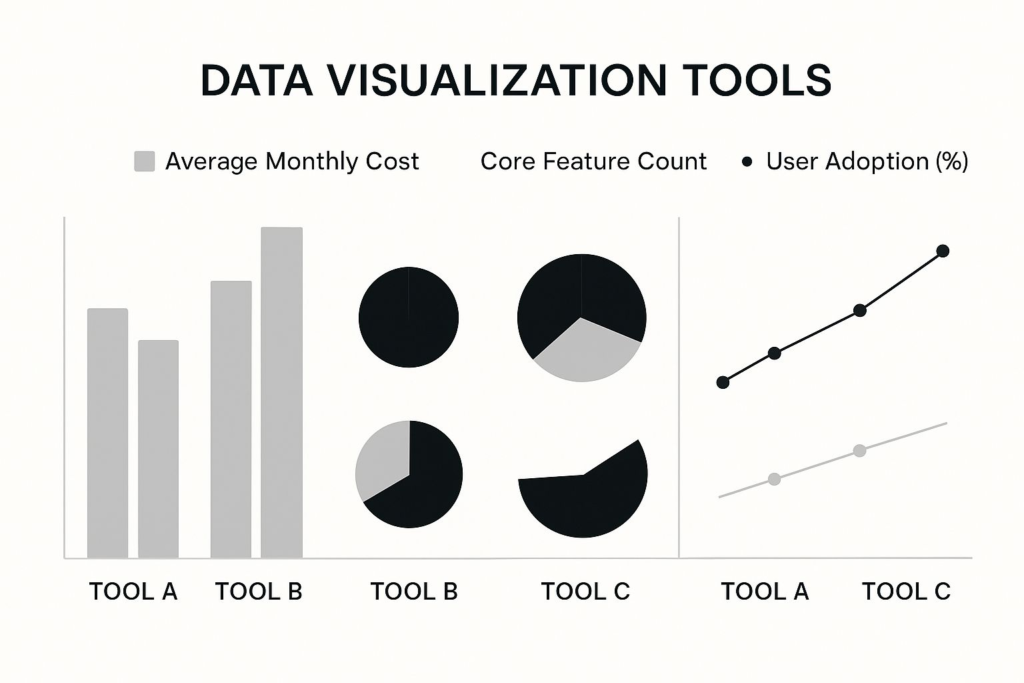
It is incredibly easy to fall into the trap of thinking that because two applications look similar on paper, they will perform the exact same way when you open them up on your desktop. This is where most people make their biggest mistake. Two project management platforms might both have a calendar view and a task list, but their underlying user experience, speed, and design philosophy could be completely worlds apart.
A deep tool comparison forces you to look past the beautiful landing pages and slick promotional videos. It lets you inspect the real-world nuts and bolts of the software before you commit your precious time or hard-earned budget to it. When you actively compare options, you are protecting yourself against hidden software pitfalls—like essential features locked behind a massive paywall or an app that suddenly crawls to a halt when you add more than three team members to a project. Ultimately, structured comparisons save your sanity, keep your hard-earned money in your pocket, and protect your team’s daily productivity.
Understanding Your Actual Requirements First
Before you open a single review site or search for software recommendations, you need to have a serious, unfiltered conversation with yourself about what you are actually trying to fix.
Too many people jump headfirst into shopping for software without defining their real problems. They get instantly distracted by flashy, unnecessary bells and whistles—like automated AI summaries or complex colorful charts—and completely forget to check if the tool can handle the simple, everyday tasks they actually need it for.
Grab a plain piece of paper and write down your absolute non-negotiable needs. Are you a solo freelancer who just needs a clean, distraction-free interface? Or are you managing a growing team that requires heavy-duty collaboration features? The absolute best tool on the market is completely useless to you if it doesn’t align with the natural way you like to work.
Features Should Be Your First Priority
When you start stacking software up against each other, the core features must be your baseline. Every development team builds their software with a specific user archetype in mind. Some platforms take pride in being hyper-minimalist, giving you a clean slate with just three or four highly optimized buttons. Others are built like massive Swiss Army knives, packed with hundreds of advanced toggles designed for high-level enterprise power users.
[Too Many Features] ──► Confusing Interface ──► Low Team Adoption ──► Wasted Software Budget
The trick here is to avoid the temptation of choosing the software with the longest, most intimidating feature list. Having a hundred features sounds amazing during a sales pitch, but in reality, it often leads to a cluttered interface and a steep learning curve. Focus intensely on the core pillars that directly support your day-to-day workflow. A simple, beautifully focused tool that executes your primary task flawlessly will always bring you more joy and value than a bloated platform full of digital clutter you never touch.
Ease of Use Matters More Than You Think

We have all experienced the sheer frustration of opening an app only to feel like we need a rocket science degree just to navigate the home dashboard. A tool can have the most revolutionary, groundbreaking technology hidden under the hood, but if your team finds the interface unintuitive and frustrating to use, it will quickly turn into shelfware that nobody touches.
A truly user-friendly tool allows you to log in and start getting real work done almost immediately, without forcing you to watch ten hours of boring training videos. When you are comparing options, take a close look at the clunky friction points. How many clicks does it take to create a new entry? Is the search bar easily accessible? Are the menus laid out logically? If a piece of software feels like a constant uphill battle during your first week of trying it, do yourself a favor and walk away. Life is way too short for bad software design.
The Reality of Pricing and Real Value
Let’s talk about money, because at the end of the day, your software bill can add up fast. When evaluating the cost of digital tools, you have to look way past the initial price tag plastered on the pricing page. A cheap tool isn’t actually cheap if it lacks an essential feature, forcing you to buy a second subscription just to plug the gap. Conversely, an expensive tool might actually be a steal if it combines three different apps into one seamless platform.
You need to look at the overall value metric. Look closely at what you are actually getting for your tier level. Are updates included, or do you have to pay extra for the next version? Does the price scale up aggressively based on the amount of data storage you use, or the number of team members you invite? A slightly higher monthly investment in a stable, well-supported platform can often save you thousands of dollars in lost time and technical headaches down the road.
Navigating the Free vs. Paid Dilemma
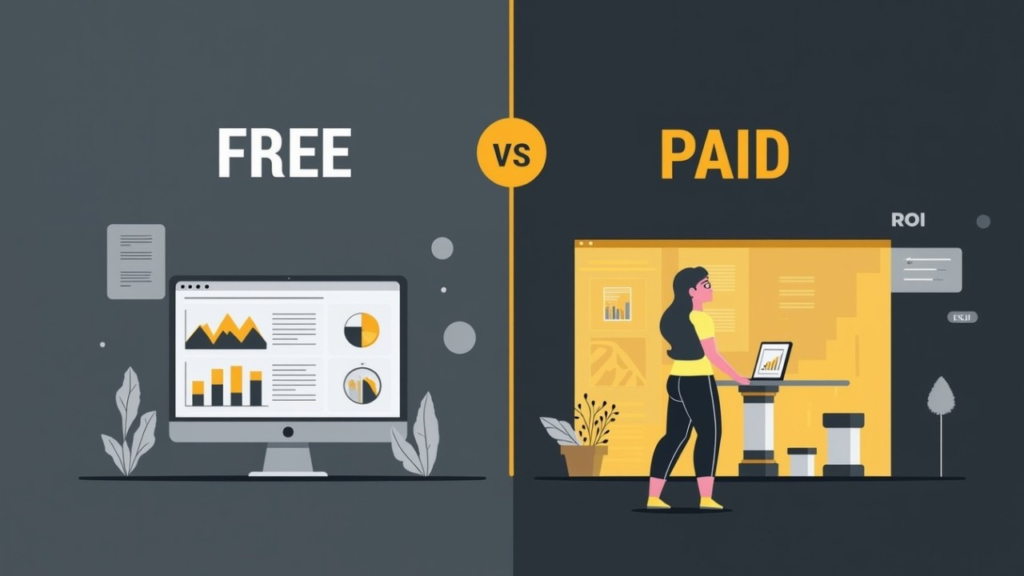
Almost every major software company uses the classic freemium model these days, offering a generous free plan right alongside their premium tiers. These free versions are a godsend for students, solo creators, and small startups who are trying to keep their overhead costs as close to zero as humanly possible. They give you a risk-free environment to play around with the basic mechanics of the tool.
But you have to be highly strategic about spotting the looming paywalls. Most free plans are intentionally built with hidden ceilings—such as limiting you to a tiny storage amount, blocking your ability to export high-quality files, or slapping an ugly watermark on your finished work. When you are comparing tools, look ahead at the premium pricing tiers. Ask yourself: “When my business grows and I inevitably outgrow this free plan, can I actually afford the price of the upgrade?” Planning for that pivot early protects you from getting trapped in an ecosystem you can’t afford later on.
Customer Support Is Your Safety Net
Everything is great when software works perfectly, but the real test of a company happens when things completely break down in the middle of a high-stakes deadline. Imagine your system crashing an hour before a major client presentation, and when you frantically look for help, you realize the company only offers support through a slow, automated email bot that takes three business days to reply. That is an absolute nightmare scenario.
When you are doing your homework and comparing platforms, look closely at their customer service channels. Do they offer a fast live-chat feature with real human beings on the other end? Is there a highly detailed, community-driven knowledge base full of quick troubleshooting guides? Checking out user reviews specifically focused on how a company handles complaints and tech support can save you from an incredible amount of stress and helpless anger when things inevitably go wrong.
Security and Privacy Must Be Non-Negotiable
In a world where digital data breaches and identity theft happen on a regular basis, cybersecurity is no longer just a luxury for massive banks—it is an absolute necessity for everyone. Think about the sheer volume of sensitive, private information you dump into your digital tools every single day: proprietary business ideas, customer email lists, financial spreadsheets, and personal passwords.
[Your Sensitive Data] ──► End-to-End Encryption + Two-Factor Auth (2FA) ──► Safe Digital Environment
When comparing tools, you must act like a strict bouncer at the door. Check for essential security foundations like end-to-end encryption, strict user permission levels, and two-factor authentication (2FA). A platform that takes privacy seriously will always be incredibly transparent about how they store your data, where their servers are located, and whether they sell your usage patterns to third-party advertisers. Never compromise your safety just for a slightly prettier user interface.
The Power of Integration Capabilities
No digital tool exists in a vacuum anymore. Your daily workflow is likely a complex chain of different applications working together—you receive an email, log a task in your project tracker, upload a file to your cloud storage, and send a notification to your team group chat. If your new software doesn’t talk nicely with your existing apps, you will find yourself wasting hours doing exhausting, manual copy-paste work every single day.
Look for tools that offer native, seamless integrations with the core platforms you already rely on. If an app connects directly to your favorite calendar or email provider with a single click, it instantly removes a massive layer of friction from your workday. Good integration capabilities act like a smooth bridge, allowing your data to flow automatically between systems so you can focus on creative, meaningful work instead of boring administrative maintenance.
Scalability for Your Future Growth
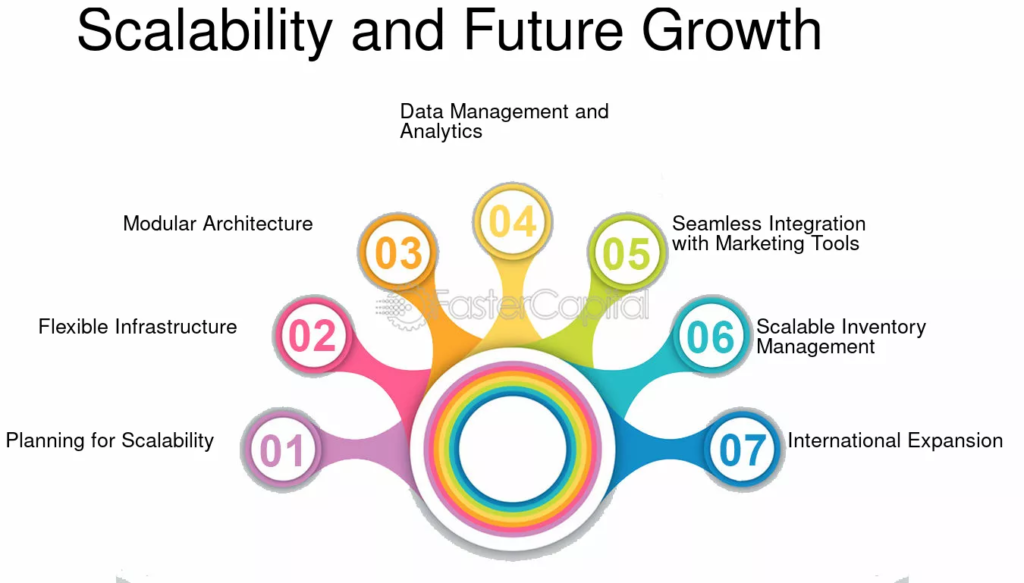
When you buy a piece of software, you shouldn’t just be shopping for the person or business you are today—you should be shopping for the goals you want to achieve three years from now. It is incredibly painful to spend months setting up a specific tool, training your entire team on how to use it, and building your entire workflow around it, only to realize twelve months later that you have completely outgrown its technical capabilities.
Changing your entire software system down the line is an absolute nightmare that causes massive downtime and team frustration. Look for platforms that offer room to grow. Can the software easily handle a sudden influx of a hundred new clients? Can it upgrade from a simple file-sharing app into a full-scale corporate database? Choosing a highly scalable tool right from the start means you can stay focused on your actual growth, without worrying about your digital foundation crumbling beneath your feet.
Consistent Performance and Daily Reliability
We have all dealt with that one frustrating app that randomly crashes the second you try to upload a large file, or completely freezes up when you open more than two tabs. Poor performance is an absolute productivity killer that ruins your creative momentum and leaves you feeling completely drained at your desk.
Reliability is something you can rarely judge from a company’s marketing website. Instead, you need to look at real-world uptime data and user history. Does the platform have a track record of frequent, random server outages? Does it lag terribly during peak business hours? When you compare tools, look for companies that prioritize light, fast, and stable code over flashy but heavy animations that slow down your computer hardware.
Mobile Accessibility and Seamless Syncing
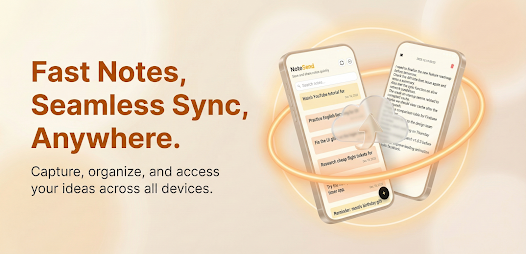
The traditional concept of being tied to a single office desk from 9-to-5 is officially dead. Modern life demands that we stay flexible, which means you need to be able to check your projects while standing in line for coffee, respond to a client query from a train station, or jot down an idea on your tablet while sitting on the couch.
A top-tier digital tool must offer a flawless, cross-device mobile experience. It isn’t just about having a mobile app version; it’s about how quickly and reliably that app syncs up with your desktop computer. If you make a critical edit on your phone, that change needs to appear on your laptop screen instantly, without any lag or data loss. A seamless mobile ecosystem allows you to step away from your desk with total confidence, knowing your entire digital workspace is riding safely in your pocket.
Popular Software Comparison Arenas
Different professions and industries face unique software battles every single day. Let’s look at the most common categories where people struggle to make up their minds:
- Project Management: The eternal battle between platforms focused on clean visual boards versus those built around heavy data spreadsheets and strict timelines.
- Design and Graphics: Choosing between highly automated, beginner-friendly template builders versus professional-grade creative suites that offer total pixel control.
- Team Communication: Deciding between fast, high-volume instant chat servers versus quiet, structured discussion boards that prevent constant phone interruptions.
Each of these categories requires a different mindset, but the core strategy remains identical: always align the software’s primary strength with your most frequent daily task.
Common Mistakes to Avoid Like the Plague
The most common trap people fall into is buying software based purely on hype and internet popularity. Just because a famous tech influencer or a massive multi-billion-dollar corporation uses a specific tool doesn’t automatically mean it is the right match for your unique, small-scale workflow.
Another massive mistake is ignoring the importance of checking user-driven review sites. Real-world feedback from actual users will quickly expose all the annoying bugs, hidden fees, and customer service failures that the company tries to hide behind their gorgeous marketing campaigns. Lastly, never skip the trial period. Buying software without testing it first is exactly like buying a car without taking it out for a quick spin on the highway.
The Unbeatable Value of a Free Trial
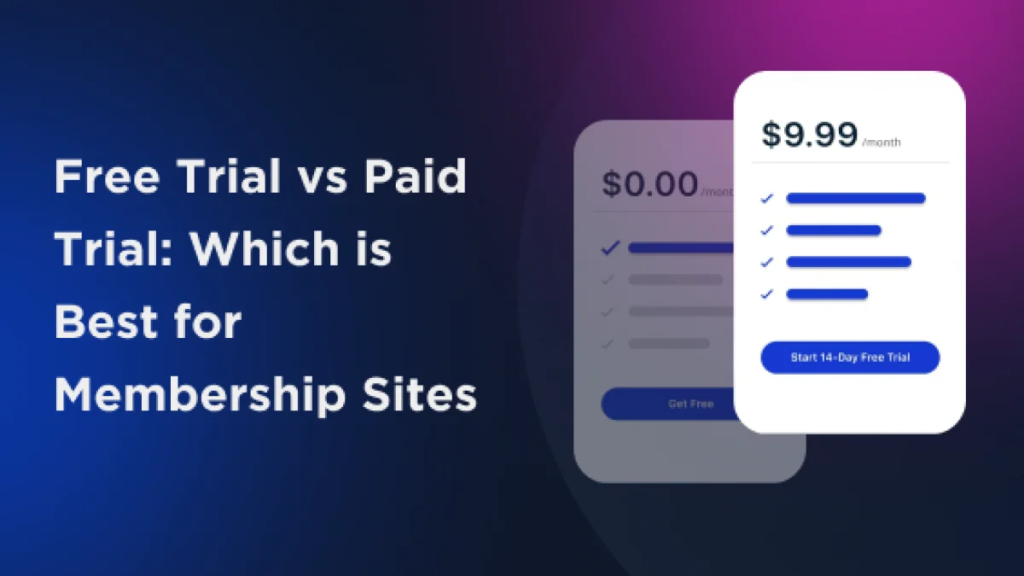
If a software provider doesn’t offer a free trial, a transparent demo mode, or a solid money-back guarantee, you should view that as a massive red flag. There is absolutely no substitute for getting your hands dirty and clicking through an interface yourself to see how it feels in real-time.
Use your free trial period like an aggressive stress test. Don’t just log in, look around for five minutes, and log out. Instead, import a real, messy project into the system. Invite a few colleagues to collaborate with you, try downloading the mobile version, and deliberately test out the limits of the software. This hands-on, practical experiment will teach you more about the tool in forty-eight hours than any review article or video breakdown ever could.
Making Smarter, Stress-Free Decisions
At the absolute end of the day, finding the perfect tool isn’t about tracking down the most expensive, feature-heavy, or famous option on the internet. It is all about finding the absolute best fit for your unique life and workflow.
When you take the time to run a systematic, calm tool comparison—evaluating real features, ease of use, security protocols, honest pricing, and long-term scalability—you take total control of your digital workspace. You stop being a passive consumer falling for clever marketing traps, and you become a smart, intentional curator of your own productivity. Take your time, test things out thoroughly, and build a digital ecosystem that truly lifts you up and supports your long-term success.