
We have all looked at our phones, tapped a button to order a product, and then stood by the window expecting it to arrive almost instantly. It feels like absolute magic when a package magically shows up on your doorstep less than twenty-four hours later. But behind that single, satisfying cardboard box lies a sprawling, chaotic, and incredibly complex web of human effort, shifting ships, roaring cargo planes, and massive fulfillment warehouses. When just one gear in this massive machine slips, a business can completely fall apart overnight.
As we navigate the highly competitive business landscape of 2026, managing this invisible web has transformed from a basic backend logistics chore into a core survival strategy.
We no longer live in a predictable world where inventory moves smoothly down a straight line. Today, companies face a relentless barrage of geopolitical disruptions, sudden weather shifts, and fluctuating consumer demands.
To achieve sustainable growth, modern business leaders must stop treating logistics like an isolated department. It is time to view it as a living, breathing integrated logistics ecosystem.
By blending advanced digital tools with deep human intuition, companies can build highly adaptable networks that convert supply chain friction into a massive competitive advantage. Let’s unpack the real-world, human-centric blueprints that are completely redefining how products move across our globe today.
What Is Supply Chain Management?
At its heart, this discipline represents the complete life cycle of a product, guiding it gently from a raw, unformed idea into a physical reality inside a customer’s hands. It acts as the ultimate corporate conductor, organizing the complex flow of raw materials, operational data, and financial transactions across a vast network of independent organizations through multi-tiered value networks.
[Sourcing Stage]   ──► Raw Materials Procurement ──► Forges the Baseline Quality
                                                               │
                                                               ▼
[Production Hub]   ──► Manufacturing Conversion ──► Scales Up Output Efficiency
                                                               │
                                                               ▼
[Logistics Phase]  ──► Warehouse & Final Delivery──► Puts the Product in Human Hands
Think of a supply chain as a long human relay race. The baton must pass smoothly from raw material miners to manufacturing plants, shift into regional distribution warehouses, and finally land with final-mile delivery couriers. If a single runner trips or drops the baton, the entire race is lost. The ultimate goal is to keep this baton moving forward at peak speed while minimizing wasted costs and preserving product quality.
Why Supply Chain Management Matters
The reason this field dominates modern corporate boardroom discussions is remarkably simple: an inefficient layout can drain a business of cash faster than a leaking pipe. In a world where consumers expect instant gratification, keeping your shelves stocked while managing costs is a delicate balancing act that directly dictates your working capital optimization.
When a company builds a flexible, well-organized distribution network, it creates a powerful buffer against global chaos.
It enables different departments—from purchasing agents to delivery drivers—to communicate with complete clarity. This seamless coordination drives down storage costs, prevents stockouts, and builds a deep, unshakeable sense of customer trust that turns casual shoppers into lifetime brand advocates.
The Growing Importance of Technology
The days of managing a multi-million dollar business using nothing but a dry-erase whiteboard, a basic paper clipboard, and an unorganized Excel spreadsheet are officially over. The shear speed of modern global commerce has pushed traditional tracking methods past their breaking point, requiring a shift toward a unified digital thread infrastructure.
Modern companies are embedding intelligent tracking sensors directly into their shipping containers and cargo pallets.
These small devices stream real-time updates regarding location, temperature, and handling conditions straight to the cloud. This continuous digital visibility allows team members to spot an unexpected shipping delay or a cooling failure the exact moment it happens, letting them fix the issue before it damages a single product.
Artificial Intelligence in Supply Chains
Artificial intelligence has officially evolved past being a flashy tech buzzword used to impress Wall Street investors; it has become the vital brainpower running modern warehouses through predictive neural logistics. These cognitive systems review immense mountains of historical sales data, local weather patterns, and social media trends to make highly accurate predictions about human behavior.
                        ┌─────────────── THE FORECASTING SHIFT ───────────────┐
                        ▼                                                       ▼
            [Reactive Legacy Systems]                            [Predictive AI Environments]
            • Looks backward at last month's sales               • Tracks live weather and social shifts
            • High risk of overstock or shortages                • Dynamically balances regional hubs
            • Floods warehouses with unneeded goods              • Feeds exact consumer needs in advance
Instead of blindly reacting to a product shortage after it happens, an AI model can flag a sudden spike in regional consumer interest weeks ahead of time. This early warning enables logistics managers to shift inventory to local distribution hubs well in advance, ensuring they are ready to meet consumer demand seamlessly while driving down emergency shipping costs.
Automation Improves Efficiency

Step inside a modern fulfillment center today, and you will quickly realize that the classic image of a worker walking down long aisles with a paper clipboard is entirely outdated. Today’s warehouses are dynamic hubs driven by autonomous mobile robotics. Autonomous carts glide across floors, picking up heavy storage shelves and bringing them directly to human packing stations.
This smart automation takes the exhausting physical strain out of order fulfillment, allowing human workers to step into safer, analytical roles.
Automated sorting conveyor systems and intelligent scanning devices process orders with incredible speed and precision, virtually eliminating human mispicks. This continuous operational flow ensures that your business can fulfill thousands of orders around the clock without experiencing human fatigue or costly processing delays.
Inventory Management Remains Critical
Maintaining inventory is one of the most stressful balance tests a business owner can face. If you make the mistake of storing too much product inside your warehouses, you lock up your active cash flow and face high storage bills. But if you hold too little stock, your shelves go bare, leaving your customers frustrated and forcing them straight into the arms of your competitors. This delicate balance requires mastering just-in-time cross-docking methods.
[Overstocked Warehouse]  ──► Caged Cash Flow      ──► High Storage Fees   ──► Dead Stock Hazards

                                                       VS.

[AI-Balanced Inventory]  ──► High Asset Turnover  ──► Minimal Overhead    ──► Fluid Cash Flow
Achieving a healthy balance requires establishing a highly transparent system that gives you a clear look at your active stock levels across every store, warehouse, and transit vehicle. By tracking exactly how fast products move, you can set smart reorder triggers that keep your inventory lean and fluid, lowering your overhead costs while keeping your customers happy.
Demand Forecasting for Better Planning
Trying to run a major global enterprise without using accurate demand forecasting is like driving down a dark highway at midnight with your headlights turned off. You are essentially guessing what your customers will want next month, which often leads to expensive manufacturing mistakes and chaotic warehouse management, causing major bullwhip effect distortions.
Investing in collaborative forecasting tools allows you to gather live, actionable insights from your sales teams, field distributors, and retail partners.
By blending this human feedback with historical seasonal patterns, your production teams can schedule their manufacturing runs with incredible accuracy, matching your raw material purchases perfectly with actual market demand.
Supply Chain Operational Alignment Matrix
| Strategic Element | Core Technical Mechanism | Real-World Competitive Edge |
| Predictive AI | Uses neural networks to analyze localized consumer buying trends. | Eradicates product shortages before shoppers even hit the checkout button. |
| Robotic Automation | Deploys mobile sorting units to handle repetitive physical tasks. | Multiplies warehouse picking speeds while cutting manual entry errors to zero. |
| Dynamic Telematics | Employs cellular IoT sensors to track transit conditions. | Provides continuous visibility, allowing teams to reroute around transport delays. |
| Supplier Diversification | Spreads component manufacturing across multiple independent regions. | Shields your brand from localized factory shutdowns or political trade disputes. |
Building Strong Supplier Relationships
It is very easy to fall into the trap of treating your component suppliers like distant vendors, constantly pressuring them to lower their prices during tough negotiations. But a cutthroat approach can quickly backfire. When global raw material shortages hit, vendors will naturally protect the businesses that treat them with mutual respect, leaving aggressive buyers stranded through adversarial vendor friction.
Treat your suppliers like true strategic partners. Build open, honest relationships by sharing your long-term product roadmaps and setting up transparent communication channels.
When you treat your vendors like a true extension of your own team, they will work late to solve unexpected material shortages, offer you preferential pricing, and help you co-develop innovative products that keep you ahead of the curve.
Logistics and Transportation Management
The final-mile delivery leg is often the most expensive and complex part of the entire distribution journey. Navigating crowded city streets, dealing with unpredictable traffic gridlock, and handling missed home deliveries can quickly eat into a company’s profits, requiring the use of dynamic routing telematics.
                                 ┌──► Optimizes Fleet Routes Around Live Congestion
                                 │
[Smart Telematics Core] ─────────┼──► Groups Drop-Off Zones to Slash Total Miles Driven
                                 │
                                 └──► Monitors Vehicle Diagnostics to Stop Breakdown Delays
To control these rising transit costs, modern distribution networks use intelligent route-optimization software. These tools analyze real-time traffic data and delivery histories to map out the most efficient routes for drivers. Grouping deliveries closer together lowers fuel use, reduces wear and tear on fleets, and ensures packages land in human hands exactly when promised.
Supply Chain Visibility
You cannot manage what you cannot see. When your tracking data is locked away inside isolated, separate systems, your business operates in a dangerous fog. True visibility means creating an open, connected ecosystem where any authorized team member can track an order’s status at any stage of its journey, achieving end-to-end data democratization.
When you clear away these informational walls, your entire organization gains the power to act with agility.
Your customer support agents can give buyers precise delivery updates, your manufacturing plants can alter their production schedules based on incoming material delays, and your financial executives can manage cash flow with total confidence. Transparency replaces anxious guesswork with reliable, data-driven execution.
Risk Management in Modern Supply Chains
The global disruptions of the past few years have taught us a vital lesson: building your entire business around a single factory or a single country is an incredibly dangerous gamble. A sudden regional power outage, a severe weather event, or a political trade dispute can instantly freeze your entire operation, causing single-point failure vulnerabilities.
Resilient companies protect themselves by embracing a strategy of regional diversification. Spreading your manufacturing across multiple geographic zones ensures that if one factory goes down, your backup facilities can pick up the slack without dropping a single order.
Pairing this geographic diversification with comprehensive backup plans transforms risk management from an annoying insurance expense into a core pillar of operational strength.
Sustainability in Supply Chain Management
Modern consumers are incredibly socially conscious, and they care deeply about the carbon footprint of the products they buy. They are actively voting with their wallets, intentionally walking away from brands that rely on wasteful packaging or dirty transport fleets, making circular green logistics a financial necessity.
[Linear Waste Framework]──► Extract Raw Materials ──► Create Single-Use Goods ──► Landfill Accumulation

                                                       VS.

[Circular Green Network]──► Sustainable Sourcing  ──► Low-Emission Transit   ──► Closed-Loop Recycling
Building a green distribution network is actually an incredible opportunity to eliminate operational waste and lower your overhead. Transitioning to lighter, fully recyclable packaging materials slashes total shipping weights, while packing delivery trucks more efficiently reduces empty miles. Clean, sustainable business practices protect our planet while keeping your bottom line healthy and profitable.
Workforce Development and Skills
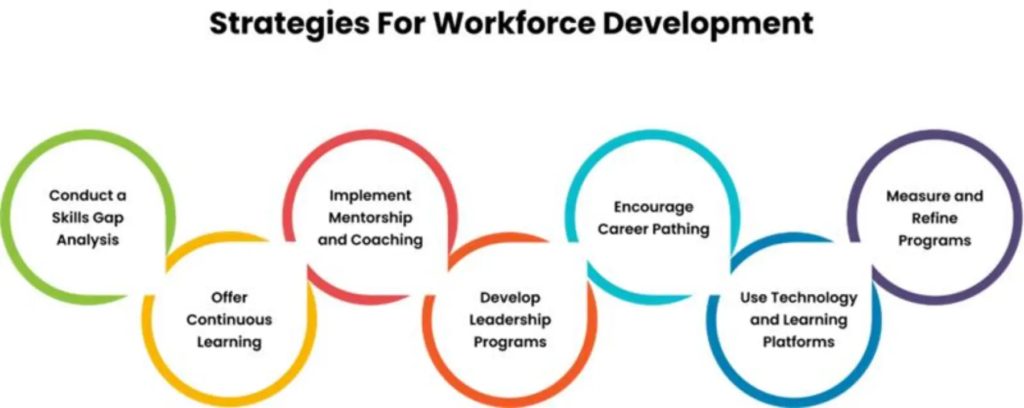
Even in a world increasingly run by advanced algorithms and automated warehouse robots, human talent remains the ultimate heartbeat of any successful logistics network. We need creative thinkers who can look past the raw numbers, build strong personal relationships with vendors, and solve messy, unexpected challenges that would completely stall an AI model, highlighting the value of socio-technical operational mastery.
Smart companies are investing heavily in comprehensive training programs to help their teams master these new digital tools.
When you give your workers the skills to interpret complex data streams and manage automated hardware, you turn your front-line staff into proactive problem solvers. Technology provides the raw data, but human intuition and creativity are what convert that data into real business success.