Discover the best Productivity Techniques for 2026. Learn proven strategies for time management, focus improvement, goal achievement, task prioritization, work-life balance, and productivity optimization to work smarter and accomplish more every day.
The dangerous cultural trap we have fallen into is the comforting belief that staying occupied every single minute equals being successful. In reality, true productivity has absolutely nothing to do with working longer hours or running your mental battery down to zero. Real efficiency is about using your finite time, personal energy, and daily attention wisely. It is about deliberately focusing on the high-impact tasks that actually move your life forward, while engineering smart systems that protect your mental peace from the constant noise of the modern world.
Redefining What Productivity Means in a Distracted World
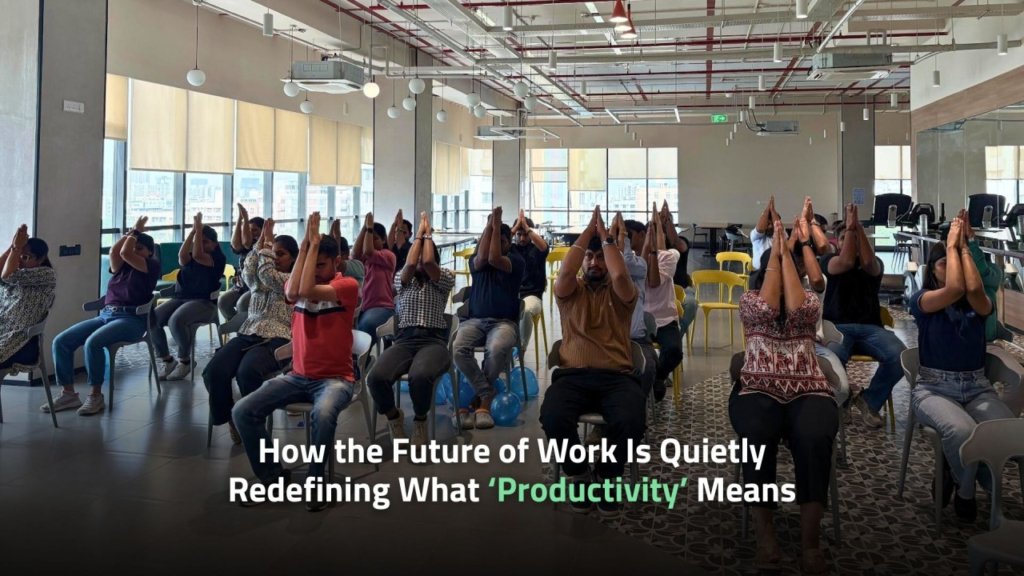
To build a professional workflow that doesn’t actively destroy your mental sanity, you must change how you measure a successful day. In traditional corporate environments, a productive professional was historically viewed as the person who arrived first, left last, and kept their head down without looking up. Today, we know that this approach is nothing more than a fast track to severe clinical burnout. A truly effective individual isn’t the most frantic, stressed-out person in the room; they are usually the calmest, most intentional person at the table.
True productivity means achieving meaningful, high-value results with the specific resources available to you. It requires a deep understanding of your personal mental rhythms, knowing how to prioritize ruthlessly, and having the self-respect to protect your creative energy from cheap distractions. This isn’t a genetic trait that you are either born with or without. It is a highly practical, repeatable habit that you can easily develop through small, consistent daily changes. The more deeply you understand how your brain naturally operates, the easier it becomes to work smarter instead of forcing yourself to work longer.
Why Focus Has Become a Rare Asset
The modern digital landscape offers us unparalleled opportunities for speed and connection, but it also presents an unprecedented minefield of sophisticated psychological distractions. Between smartphones, algorithmic social media feeds, and constant workplace pings, our attention is being continuously pulled in a thousand different directions. Every single time your phone buzzes and you glance away from your work, your brain pays a heavy cognitive price known as “attention residue.” It takes an average of over twenty minutes to regain deep focus after a single interruption.
Without protective daily boundaries, it is incredibly easy to spend your entire day reacting to other people’s priorities while completely ignoring your own long-term dreams. By committing to improving your focus, you aren’t trying to make a corporation richer; you are actively investing in your own mental clarity and emotional well-being. Reclaiming your attention allows you to complete your tasks significantly faster, dramatically lowers your baseline anxiety, improves your self-confidence, and creates massive blocks of guilt-free free time to spend on the things that bring you genuine joy.
Start with Clear, Actionable Goals

The foundational step of any successful productivity strategy is the creation of absolute clarity. When you lack a clear sense of direction, your brain naturally defaults to doing whatever tasks are easiest or most urgent, rather than what is genuinely important. Vague intentions like “I want to be more organized this year” are completely useless because they don’t give your mind an actionable target to hit.
Highly successful individuals excel at breaking massive, multi-month objectives down into tiny, bite-sized daily actions. This tactical approach removes the psychological paralysis that often comes with tackling a massive project. Instead of stressing over the entire mountain, you focus entirely on the single next step right in front of you. By defining specific, measurable milestones, you create a highly motivating sense of daily momentum that keeps you moving forward even when your initial inspiration begins to fade.
The Vital Practice of Deep Work
To truly understand high performance in 2026, you must recognize the profound difference between deep work and shallow work. Deep work refers to long periods of completely uninterrupted, intense concentration on tasks that push your cognitive capabilities to their absolute limit. This is the zone where true genius happens, where complex code is written, beautiful designs are built, and brilliant business strategies are born. Shallow work, on the other hand, consists of low-value, administrative tasks like sorting through spam emails, formatting spreadsheets, or attending superficial status meetings.
The problem is that shallow work is incredibly comfortable and easy, so we naturally gravitate toward it because it makes us feel like we are being productive. But constantly doing shallow work keeps your career stagnant. To fight back, you must intentionally schedule dedicated deep work sessions throughout your week. During these hours, you must turn off your phone, close your browser tabs, notify your team that you are offline, and protect your focus with fierce boundaries.
Manage Energy, Not Just Time
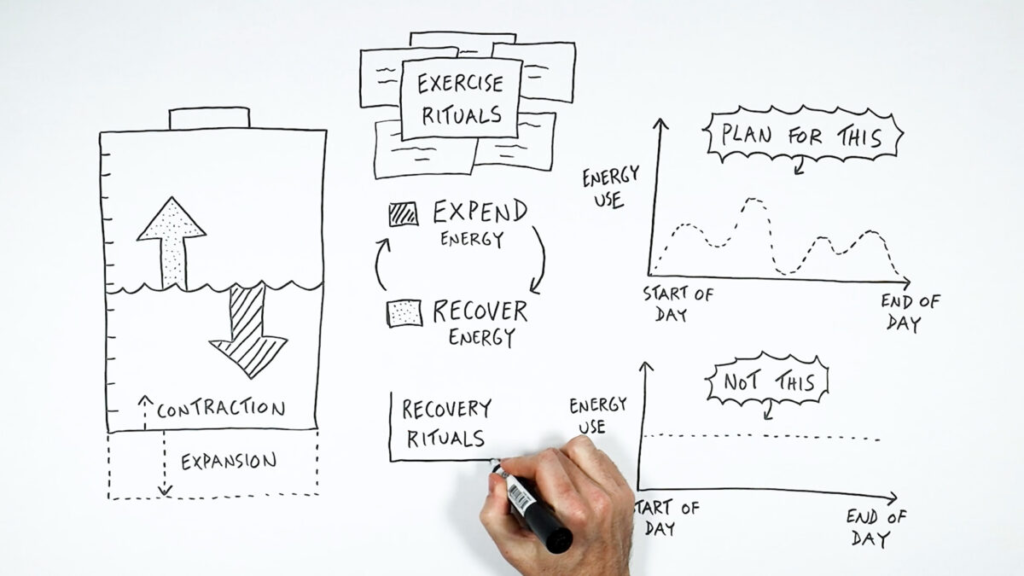
Most traditional productivity advice focuses entirely on time management, but the truth is that time management is fundamentally flawed. You can have all the free time in the world, but if you are completely exhausted and mentally drained, that time is totally useless. Real efficiency is about managing your personal energy levels, not just the hours on your clock. Human beings are biological organisms, not digital machines; our focus naturally expands and contracts in rhythmic waves throughout the day.
Take the time to closely observe your personal biological rhythms. For the vast majority of professionals, the morning hours are the golden window for deep, high-level analytical thinking. Conversely, the early afternoon is when our circadian rhythms naturally dip, making it the absolute worst time to force yourself to do creative work. Instead, sync your schedule with your biology: save complex projects for your peak hours, and leave simple, brainless administrative tasks for your low-energy slumps.
Building Sustainable Productivity Habits
Success is almost never the result of a single, monumental effort; it is the compound interest of your daily routines. Building small, positive habits creates an automated framework for your day, which drastically reduces the amount of raw willpower you need to deploy just to get things done. When planning, focus tracking, and task organization become second nature, staying productive starts to feel completely effortless.
Start small when building your routine. Choose one or two tiny habits—like keeping your desktop clear of clutter or reviewing your goals for five minutes every Monday morning—and master them completely before adding more complexity. Over time, these small rituals build a powerful foundation of structural stability. They create an environment where high-quality work becomes your default setting, rather than a stressful daily battle.
The Scientific Necessity of Strategic Rest
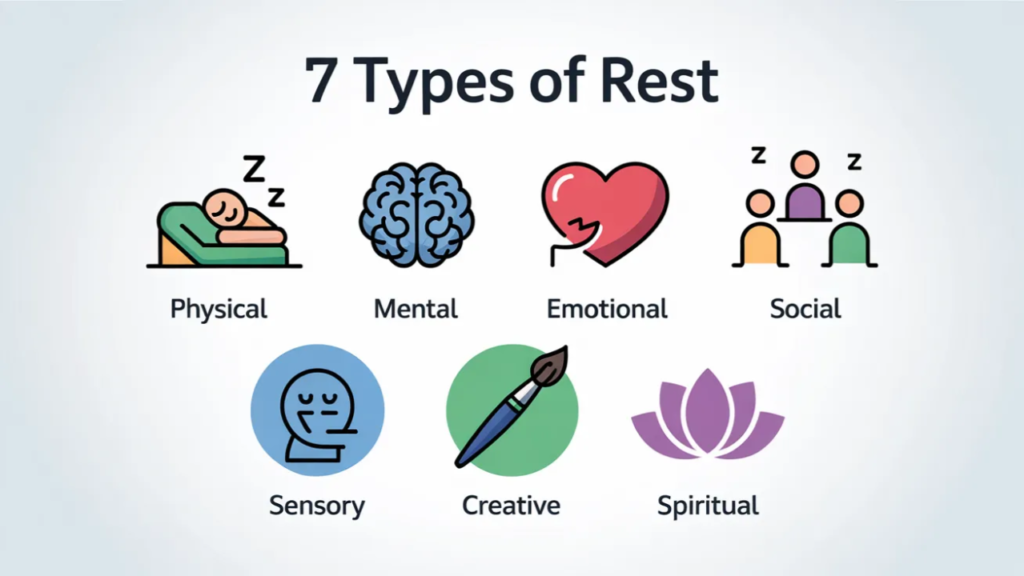
There is a popular, stubborn myth in corporate environments that working non-stop for eight to ten hours straight is the absolute best way to maximize your output. In reality, psychological studies show that human brains are simply not wired for prolonged, uninterrupted focus. After an hour or two of continuous typing and staring at a screen, your concentration plummets, your creative problem-solving completely stalls, and your internal stress levels quietly begin to creep up.
You can dramatically improve both your professional output and your daily mood by taking short, deliberate micro-breaks throughout your official workday. Force yourself to step completely away from your workspace for five minutes every single hour.
Stand up, look out a distant window to rest your optic nerves, take a few slow, deep breaths, or walk down to the kitchen to fetch a fresh glass of water. These brief, structured mental rests give your brain a valuable chance to clear its cache, meaning you return to your computer with much higher focus, better cognitive processing, and a noticeably calmer nervous system.
Using Technology Wisely: Servants vs. Masters
Technology is an incredible servant but a truly terrible master. In the current landscape of 2026, we have access to an astonishing array of AI-powered scheduling tools, automated workflows, and digital workspaces that can save us hours of manual labor every week. The secret is to use these digital platforms with absolute intention, rather than letting them become another source of endless notifications and overwhelming digital clutter.
Choose a few core tools that seamlessly align with your natural style of working, and master them completely. Whether you prefer a highly visual project board, a clean daily to-do list app, or a simple paper planner, the best tool is always the one you actually enjoy using consistently. Use automation software to handle your repetitive, low-value workflows, freeing up your valuable human mind to focus entirely on creative problem-solving, strategic innovation, and building meaningful human relationships.
A Clear Comparison of Key Productivity Frameworks
| Productivity Technique | Core Internal Benefit | The Ultimate Goal |
| Time Blocking | Eliminates task-switching and deepens daily focus. | Building a structured, highly predictable calendar. |
| The Two-Minute Rule | Keeps minor, tedious tasks from cluttering your brain. | Maintaining a clean, stress-free task list. |
| Deep Work Sessions | Allows for maximum intellectual and creative performance. | Producing elite, high-value professional results. |
| Energy Management | Prevents mental fatigue by working with your biology. | Sustaining high efficiency without burning out. |
Embracing the Power of a Polite “No”
At its absolute core, productivity is an ongoing game of resource allocation. Because your time on this planet is strictly limited, choosing to say “yes” to a low-value request, an unnecessary meeting, or an uninspiring project means you are automatically saying a loud “no” to your own deep work and personal peace. Many of us struggle deeply with this because we want to be helpful and dread the discomfort of letting people down.
Learning to decline requests politely, warmly, and with absolute clarity is a critical professional boundary. You do not need to offer a massive, defensive essay explaining your choice. A simple, honest phrase like, “Thank you so much for thinking of me, but I currently do not have the operational bandwidth to do this justice,” is incredibly powerful. Protecting your calendar isn’t selfish; it is a sign of deep self-respect and professional maturity.
The Biological Foundations of a Sharp Mind

You cannot build a highly productive mind on top of a physically neglected body; your health is the physical foundation of your cognitive performance. Many ambitious individuals proudly sacrifice their sleep, eat processed fast food at their desks, and sit motionless in an office chair for ten hours straight in an attempt to get more done. This is a massive, counter-productive mistake. A sleep-deprived, poorly fueled brain operates at a massive cognitive deficit, making more errors and processing information significantly slower.
Prioritizing a regular sleep schedule, eating whole foods that keep your blood sugar stable, and integrating short walks into your daily routine are radical productivity techniques. Physical movement increases blood flow to the prefrontal cortex, which instantly boosts your creativity, sharpens your concentration, and clears away brain fog. Furthermore, taking regular, intentional breaks every hour gives your nervous system a chance to reset, ensuring that you maintain high performance throughout the entire day without burning out.
Continuous Growth as a Long-Term Asset
The landscape of work is changing faster than ever before, and the most productive individuals are those who treat learning as a lifelong habit. When you dedicate time to upgrading your skills, understanding new tools, and expanding your mental horizons, you naturally become more efficient at everything you do. You learn to solve problems in minutes that used to take you hours.
Do not view professional development as an extra chore that you have to squeeze into an already overcrowded week. Instead, view continuous learning as an act of high-level career insurance. Spending just twenty minutes a day reading an insightful book, listening to an educational podcast, or taking a specialized online course expands your capabilities. It ensures that you stay highly adaptable, deeply creative, and always ahead of the curve in an increasingly competitive world.
Modern Workflow Frameworks for Evolving Teams
| Strategy | How It Changes Your Daily Output | The Core Benefit |
| Asynchronous Comms | Replaces distracting real-time meetings with clear, written project board updates. | Gives everyone the freedom to work uninterrupted. |
| AI Workflows | Handles initial data analysis, meeting summaries, and document formatting automatically. | Frees up human minds for high-level strategy. |
| Centralized Knowledge | Creates a single, digital source of truth for all project files and updates. | Completely eliminates endless internal email chains. |