

Productivity is one of the most valuable skills in today’s fast-paced world. Whether you’re managing projects at work, studying for exams, running a business, or handling household responsibilities, being productive helps you achieve more without feeling overwhelmed. However, productivity is not about working longer hours or staying busy all the time. Instead, it is about working smarter, managing your time effectively, and focusing on tasks that truly matter.
Many people struggle with distractions, procrastination, poor planning, and an unhealthy work-life balance. Fortunately, by adopting the right habits, using effective tools, and following proven strategies, anyone can improve their productivity. This guide explores practical ways to boost productivity at work and home while maintaining a healthy balance between professional and personal life.
Why Productivity Matters
Being productive means completing important tasks efficiently while maintaining quality. Higher productivity leads to better job performance, reduced stress, increased confidence, and more free time for personal activities.
For businesses, productive employees contribute to higher profits, improved customer satisfaction, and better teamwork. At home, productivity helps individuals manage daily responsibilities, spend more quality time with family, and achieve personal goals without feeling constantly busy.
Developing productive habits also improves decision-making, organization, and overall well-being.
Set Clear Goals Every Day
One of the simplest ways to become more productive is by setting clear daily goals. Starting the day without a plan often leads to wasted time and unfinished work.
Write down the most important tasks you need to complete and prioritize them based on urgency and importance. Focusing on a few meaningful objectives helps maintain concentration and prevents feeling overwhelmed by a long to-do list.
Reviewing your goals at the end of each day also helps measure progress and identify areas for improvement.
Prioritize Important Tasks
Not every task deserves the same level of attention. Learning to prioritize allows you to spend more time on activities that create the greatest impact.
Complete high-priority tasks during your most productive hours when your energy and focus are at their highest. Less important activities, such as checking emails or organizing files, can be completed later.
This approach improves efficiency and reduces the stress of last-minute deadlines.
Create a Structured Daily Routine
A consistent routine helps develop discipline and reduces the mental effort required to decide what to do next.
Establish regular times for waking up, working, exercising, eating, and relaxing. A predictable schedule creates healthy habits that improve focus and minimize distractions.
Even small routines, such as planning your day each morning or reviewing completed tasks every evening, contribute to long-term productivity.
| Productivity Habit | Benefit |
|---|---|
| Set Daily Goals | Clear direction and focus |
| Prioritize Tasks | Better time management |
| Follow a Routine | Increased consistency |
| Limit Distractions | Improved concentration |
| Take Regular Breaks | Prevents burnout |
| Use Productivity Tools | Better organization |
| Review Progress | Continuous improvement |
| Maintain Work-Life Balance | Better mental well-being |
Eliminate Distractions
Distractions are one of the biggest obstacles to productivity. Constant notifications, unnecessary meetings, social media, and multitasking reduce focus and slow progress.
Create a dedicated workspace where interruptions are minimized. Turn off non-essential notifications, keep your phone away while working on important tasks, and avoid switching between multiple activities.
Working in focused sessions helps complete tasks faster while improving work quality.
Practice Effective Time Management
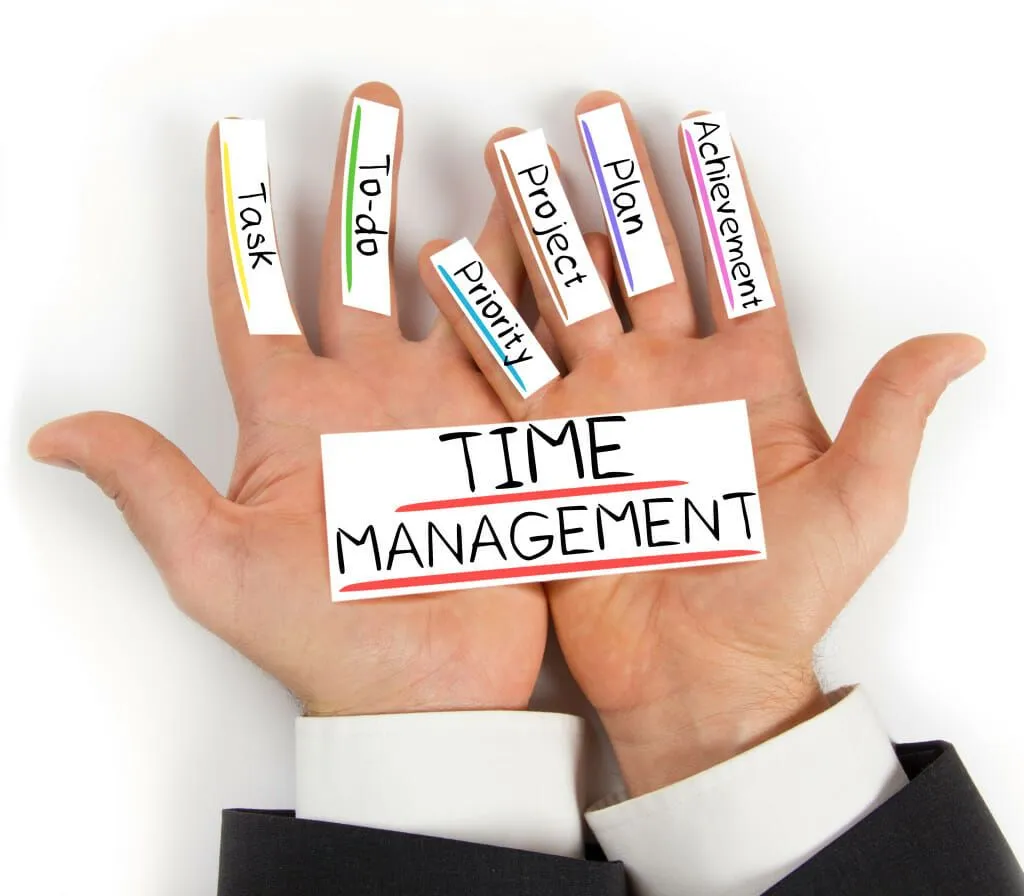
Managing time wisely is essential for maximizing productivity. Instead of working continuously for hours, divide your work into focused sessions followed by short breaks.
Planning your schedule in advance prevents procrastination and ensures important responsibilities receive adequate attention.
Using calendars, reminders, and task management applications can help organize deadlines and maintain consistency throughout the day.
Take Regular Breaks
Many people believe working nonstop increases productivity, but the opposite is often true. Continuous work leads to mental fatigue, reduced creativity, and lower performance.
Short breaks help refresh your mind and improve concentration. Walking, stretching, drinking water, or simply stepping away from your workspace for a few minutes can significantly improve energy levels.
Returning to work with a refreshed mind often results in better focus and higher-quality output.
Organize Your Workspace
A clean and organized workspace creates a more productive environment. Clutter can make it difficult to concentrate and increases the time spent searching for important documents or tools.
Keep your desk organized, arrange digital files systematically, and remove unnecessary items from your workspace. An organized environment supports better focus and reduces unnecessary stress.
Whether working from an office or home, maintaining a tidy workspace encourages efficiency.
Use Productivity Tools
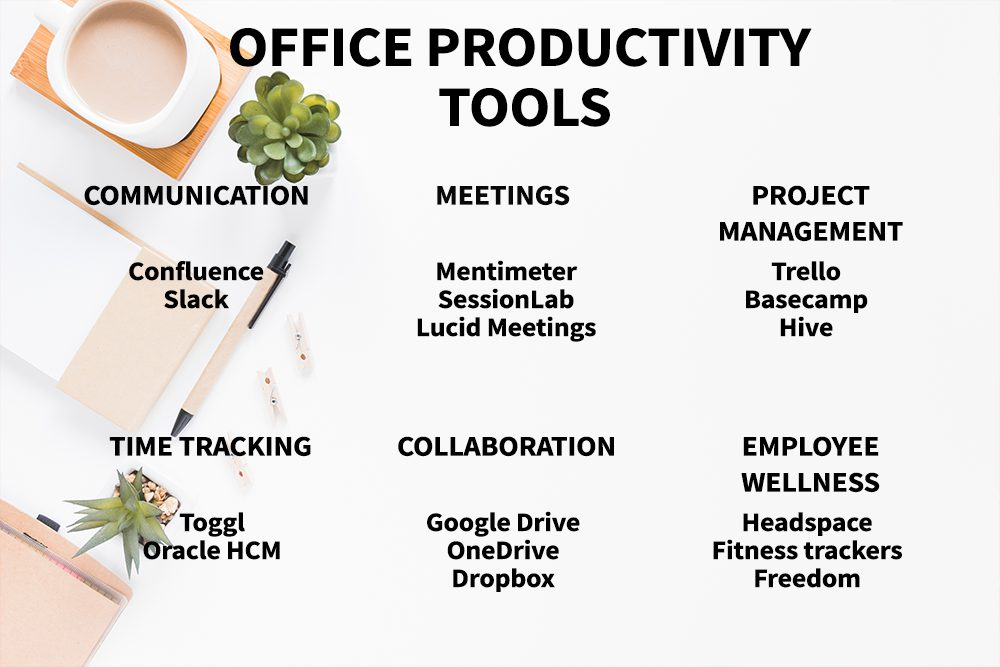
Modern productivity tools simplify planning, communication, and task management. Calendar applications help schedule meetings and deadlines, while note-taking apps organize ideas and project details.
Project management platforms enable teams to assign tasks, monitor progress, and collaborate effectively. AI-powered assistants can automate repetitive work, summarize meetings, draft emails, and improve workflow efficiency.
Selecting tools that fit your personal or professional needs helps save time and reduce manual effort.
Learn to Say No
Many people become less productive because they accept every request or commitment. Taking on too many responsibilities often results in poor-quality work and unnecessary stress.
Evaluate new tasks carefully before accepting them. Politely declining non-essential work allows you to focus on activities that align with your priorities and goals.
Protecting your time is one of the most effective ways to increase productivity.
Maintain a Healthy Lifestyle
Physical and mental health directly influence productivity. Regular exercise, nutritious meals, quality sleep, and proper hydration improve concentration, energy levels, and decision-making.
Lack of sleep or poor nutrition can reduce focus, slow problem-solving abilities, and increase stress.
Taking care of your health ensures consistent performance both at work and at home.
Continue Learning and Improving
Productivity is a skill that develops over time. Reading books, attending workshops, learning new technologies, and seeking feedback help improve efficiency and professional growth.
Regular self-evaluation allows you to identify habits that waste time and replace them with more effective practices.
Continuous learning also increases confidence and prepares you for future challenges.
Balance Work and Personal Life

True productivity is not measured by the number of hours worked but by the quality of results achieved while maintaining personal well-being.
Setting boundaries between work and personal time helps prevent burnout and supports long-term success. Spend time with family, pursue hobbies, relax, and disconnect from work regularly.
A healthy work-life balance improves motivation, creativity, and overall happiness.
Common Productivity Mistakes to Avoid
Many people unknowingly reduce their productivity by multitasking, procrastinating, setting unrealistic goals, working without breaks, and failing to plan their day.
Another common mistake is constantly checking emails or social media while working. These interruptions break concentration and make it difficult to complete important tasks efficiently.
Recognizing and eliminating these habits can significantly improve daily performance.