
Successful projects rarely happen by chance. Behind every well-executed product launch, marketing campaign, software update, or business initiative is effective project management. It provides a structured approach to planning, organizing, and completing tasks while ensuring that everyone on the team works toward the same objective.
In today’s fast-paced workplace, project management is no longer limited to large corporations. Businesses of every size, freelancers, startups, and even students use project management techniques to stay organized and achieve better results. In 2026, modern tools and AI-powered solutions have made managing projects easier than ever, but success still depends on strong planning, communication, and teamwork.
This guide explores the essential principles of project management, practical strategies for improving team performance, and the best practices that can help every project succeed.
What Is Project Management?
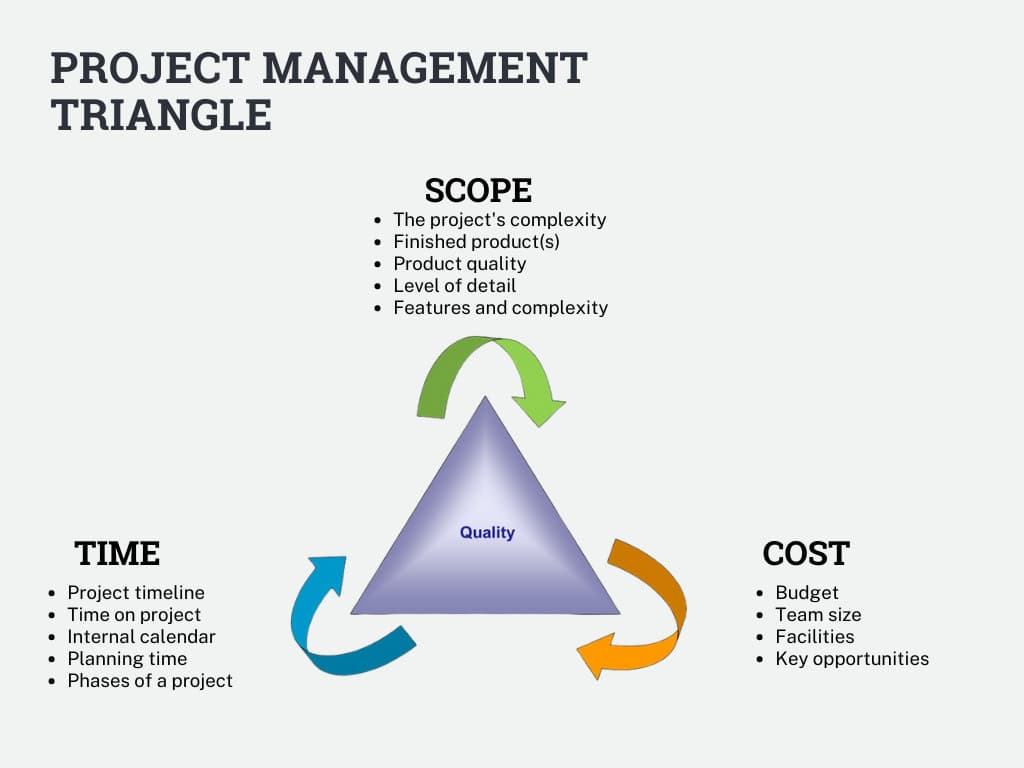
Project management is the process of planning, organizing, executing, monitoring, and completing a project within a specific timeframe and budget. Every project has a defined goal, a set of tasks, available resources, and a deadline.
A project manager coordinates these elements while ensuring that team members understand their responsibilities, communicate effectively, and complete their work on schedule.
Good project management reduces confusion, prevents delays, and helps teams deliver high-quality results consistently.
Why Project Management Matters
Without a structured plan, even talented teams can struggle with missed deadlines, duplicated work, and poor communication. Effective project management creates clarity by defining priorities, assigning responsibilities, and tracking progress.
When projects are managed properly, teams experience fewer misunderstandings, better collaboration, and increased productivity. Everyone knows what needs to be done, who is responsible for each task, and when work should be completed.
Strong project management also helps businesses control costs, minimise risks, and maintain customer satisfaction by delivering projects on time.
The Key Phases of Project Management
Understanding the project lifecycle helps teams stay organised from beginning to end.
Project Initiation
Every successful project begins with a clear objective. During this phase, the team defines the project’s purpose, expected outcomes, stakeholders, and overall scope.
A well-defined objective ensures that everyone shares the same vision before work begins.
Project Planning
Planning is one of the most important stages of project management. This phase involves creating timelines, assigning responsibilities, estimating budgets, identifying potential risks, and defining project milestones.
The more detailed the planning process, the smoother the project execution becomes.
Project Execution
This is where the actual work begins. Team members complete assigned tasks while project managers coordinate activities, monitor progress, and solve problems as they arise.
Regular communication during execution keeps everyone aligned and prevents delays.
Monitoring and Control
Successful projects require continuous monitoring rather than waiting until the end to identify issues.
Project managers track progress, compare results against the original plan, monitor budgets, and adjust schedules whenever necessary.
Early problem detection reduces costly mistakes later.
Project Completion
Once all objectives have been achieved, the project enters its closing phase. Teams review overall performance, evaluate outcomes, gather feedback, and document lessons learned for future projects.
A proper project review helps organisations improve future planning and execution.
Essential Skills Every Project Manager Needs
Managing projects successfully requires both technical knowledge and leadership skills.
Strong Communication
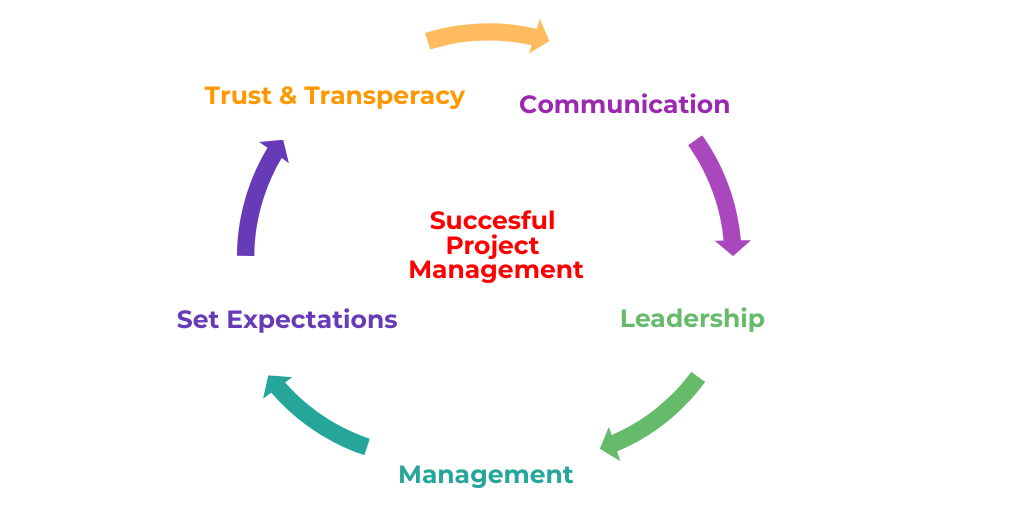
Clear communication prevents misunderstandings and keeps everyone informed about priorities, deadlines, and expectations.
Regular meetings and progress updates encourage transparency across the team.
Leadership
A project manager motivates team members, resolves conflicts, supports collaboration, and ensures everyone remains focused on common goals.
Great leaders inspire confidence rather than simply assigning tasks.
Time Management
Balancing multiple deadlines requires excellent organisational skills.
Project managers must prioritise tasks, allocate resources efficiently, and ensure work progresses according to schedule.
Problem-Solving
Unexpected challenges occur in nearly every project.
Successful managers remain calm under pressure, identify practical solutions quickly, and minimise disruptions.
Decision-Making
Projects often require fast decisions regarding priorities, budgets, schedules, or resources.
Confident decision-making helps maintain momentum and keeps projects moving forward.
Best Practices for Better Team Performance

Improving team performance requires more than assigning work. Successful project managers create an environment where collaboration, accountability, and continuous improvement become part of everyday work.
Set Clear Goals
Every team member should understand the project’s objectives and how their work contributes to the overall outcome.
Clearly defined goals reduce confusion and improve motivation.
Assign Responsibilities Clearly
Each task should have a specific owner.
When responsibilities are unclear, work can be duplicated or forgotten entirely.
Clear ownership improves accountability.
Encourage Open Communication
Teams perform better when members feel comfortable sharing ideas, asking questions, and reporting challenges.
Regular meetings help identify issues before they become major problems.
Monitor Progress Frequently
Weekly or daily check-ins help managers track milestones and identify delays early.
Small adjustments throughout the project are easier than major corrections near the deadline.
Celebrate Achievements
Recognising completed milestones boosts morale and motivates teams to maintain high performance throughout the project.
Even small successes deserve recognition.
Common Project Management Challenges
Every project faces obstacles, but understanding common challenges helps teams prepare for them.
Poor communication often leads to misunderstandings and missed deadlines. Scope creep—where additional work is added without proper planning—can increase costs and delay completion.
Unrealistic deadlines create unnecessary pressure, while unclear priorities make it difficult for teams to focus on important tasks.
Resource shortages, changing client requirements, and unexpected technical issues can also affect project success if not managed carefully.
Modern Project Management Tools
Technology has transformed project management by making collaboration faster and more efficient.
Popular project management platforms include:
| Tool | Best For | Key Features |
|---|---|---|
| Trello | Visual task management | Kanban boards, checklists, collaboration |
| Asana | Team collaboration | Task assignments, timelines, reporting |
| ClickUp | Complete project management | Docs, dashboards, automation, AI |
| Monday.com | Workflow management | Custom workflows, tracking, reporting |
| Notion | Documentation and planning | Notes, databases, project organisation |
These platforms help teams organise tasks, monitor deadlines, share files, and collaborate regardless of location.
The Role of AI in Project Management
Artificial Intelligence has become an important part of project management in 2026.
AI can automate repetitive administrative work, generate project summaries, prioritise tasks, predict project delays, analyse risks, and optimise resource allocation.
Instead of replacing project managers, AI helps them make faster, more informed decisions while allowing teams to spend more time on meaningful work.
Tips for Becoming a Better Project Manager
Improving project management skills takes consistent practice and continuous learning.
Start every project with a detailed plan instead of rushing into execution. Keep communication open throughout the project and encourage team members to share updates regularly.
Review project performance after completion to understand what worked well and what could be improved. Learning from previous experiences helps build stronger processes for future projects.
Most importantly, remain flexible. Every project is different, and adapting to changing circumstances is one of the most valuable skills a project manager can develop.