
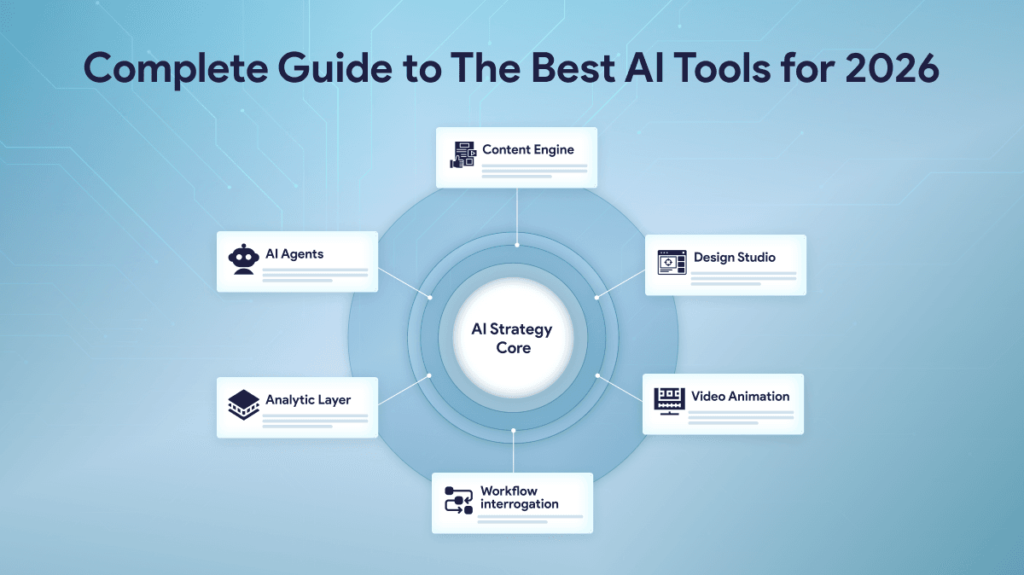
Writing has changed dramatically in recent years. What once required hours of research, editing, formatting, and proofreading can now be handled much faster with the right digital tools. In 2026, AI writing tools and productivity platforms are becoming valuable assistants for bloggers, students, marketers, business owners, authors, and content creators.
The goal of a good writing tool is not simply to generate text. The best tools can help you organize ideas, improve grammar, research topics, optimize content, remove repetitive work, and make your writing clearer.
With hundreds of writing tools available online, choosing the right one can feel overwhelming. Some are designed for long-form content, while others focus on grammar, SEO, rewriting, research, or productivity.
Here are 15 types of writing tools worth exploring in 2026 and how they can improve your writing workflow.
1. AI Writing Assistants

AI writing assistants have become one of the most popular categories in the writing-tool space. They can help users brainstorm ideas, create outlines, rewrite paragraphs, summarize information, and develop first drafts.
For content creators, an AI assistant can be particularly useful during the early stages of writing. Instead of staring at a blank page, you can provide a topic and ask for potential angles, headings, or questions to explore.
However, AI-generated text should not simply be copied and published. Human editing is still important for accuracy, originality, tone, and personal experience.
2. Grammar and Spelling Checkers
Even experienced writers make grammar mistakes. Grammar tools can identify spelling errors, punctuation problems, awkward sentences, and common grammatical issues before you publish.
These tools are useful for blog posts, emails, academic assignments, business documents, and social media content.
The biggest advantage is speed. Instead of manually reviewing every sentence several times, you can use a grammar checker as an additional editing layer.
3. Paraphrasing Tools
Paraphrasing tools help rewrite existing sentences while maintaining their general meaning. They can be useful when a sentence sounds repetitive, complicated, or unnatural.
For example, a writer may have a technically correct sentence but want it to sound more conversational. A paraphrasing tool can provide alternative wording that the writer can then review and personalize.
The best use of these tools is as an editing assistant rather than a replacement for original writing.
4. AI Content Humanizers
As AI-generated content becomes more common, writers are paying greater attention to natural tone and readability.
AI humanizer tools are designed to make machine-generated text sound more natural by adjusting sentence structure, word choice, and flow.
However, good humanization is more than replacing words. Writers should add their own examples, opinions, experiences, and useful information so the final content genuinely reflects human input.
5. SEO Writing Tools
For bloggers and digital marketers, writing useful content is only part of the job. People also need to be able to find that content through search engines.
SEO writing tools can help with keyword research, content structure, topic coverage, headings, readability, and optimization suggestions.
These tools can help writers understand what people are searching for and identify related topics worth covering. Still, SEO should support the reader rather than make an article sound unnatural.
6. Content Idea Generators

Sometimes the hardest part of writing is deciding what to write about.
Content idea generators can provide blog topics, article angles, headlines, questions, and content themes based on a keyword or subject.
They are particularly useful when creating a content calendar. Instead of trying to brainstorm dozens of ideas from scratch, writers can use these tools to generate possibilities and then select the ideas that are genuinely useful to their audience.
7. Headline Generators
A headline is often the first thing a reader sees, so it needs to communicate value quickly.
Headline generators can help create different versions of a title based on a topic. They can suggest SEO-friendly, curiosity-driven, educational, or list-style headlines.
The generated suggestions should be treated as starting points. A strong headline should accurately represent the article rather than promising something the content does not deliver.
8. Summarization Tools
Long reports, articles, research papers, and documents can take considerable time to review.
Summarization tools help writers extract key points and important information from longer material. This can be especially helpful during research.
For example, a marketer researching a new industry can summarize lengthy reports before deciding which sections require deeper reading.
Summarization does not replace reading important source material, but it can make the initial research process more efficient.
9. Research and Citation Tools
Research is an essential part of high-quality writing. Research tools help users find relevant sources, organize information, and sometimes manage citations.
Students, journalists, researchers, and professional writers can use these platforms to keep track of references and reduce research-related workload.
Always verify important information against the original source. A writing tool can help you find information, but the responsibility for accuracy remains with the writer.
10. Readability Tools
A piece of writing can be grammatically correct and still be difficult to understand.
Readability tools analyze sentence length, word complexity, paragraph structure, and other factors that influence how easily people can read content.
They are especially useful for web content, blogs, marketing copy, and educational material, where simple and direct communication is often more effective.
A readability score should not be treated as an absolute rule. The ideal writing style depends on the audience and subject.
11. Note-Taking and Writing Apps
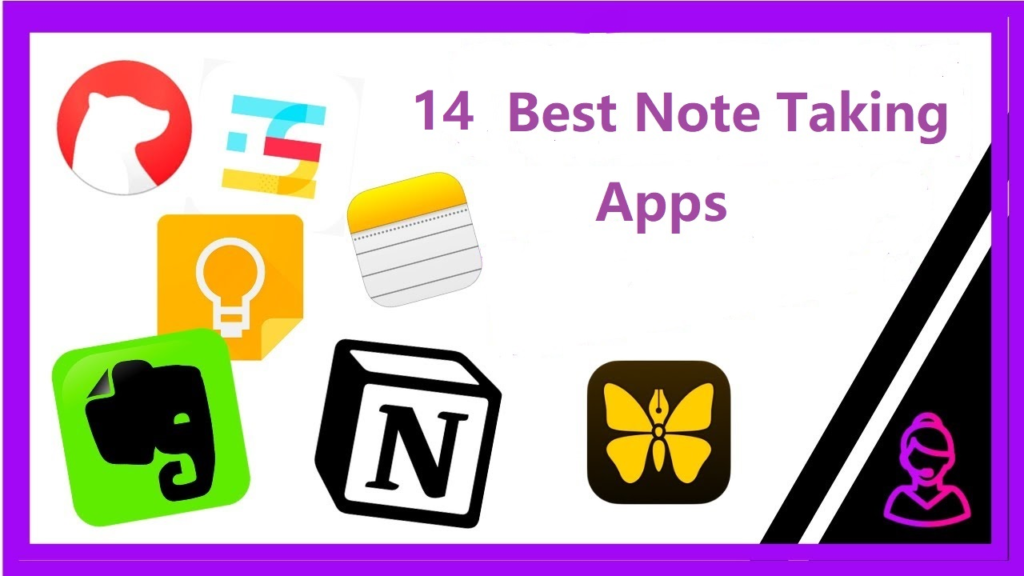
Not every writing tool needs artificial intelligence.
Modern note-taking and writing applications help users capture ideas, organize research, create outlines, and keep projects in one place.
For writers who work on multiple articles or projects, having a reliable organizational system can be just as important as having an AI writing assistant.
A good workflow might involve collecting ideas in a notes app, creating an outline, drafting in a writing environment, and then using separate tools for editing and SEO.
12. Distraction-Free Writing Tools
One of the biggest challenges for modern writers is not a lack of tools—it is having too many distractions.
Distraction-free writing platforms remove unnecessary interface elements and help writers focus on the actual text.
These tools are particularly useful for authors, students, bloggers, and anyone working on long-form content.
Sometimes the best productivity improvement is simply creating an environment where you can concentrate.
13. Translation and Language Tools
Writers increasingly create content for audiences in different countries. Translation tools make it easier to understand and communicate across languages.
Modern language tools can help translate articles, emails, product descriptions, and other content while preserving much of the original context.
However, important professional or legal content should still be reviewed by a qualified human translator when accuracy is critical.
14. Email Writing Tools
Writing professional emails can take more time than expected, especially when you need to communicate clearly and politely.
AI-powered email tools can help create draft replies, subject lines, follow-ups, and professional messages.
They can be useful when dealing with repetitive communication, but users should always review the final message before sending it.
A personal touch often makes an email more effective than a completely automated response.
15. Productivity and Writing Workflow Tools

The final category combines writing with broader productivity.
These tools can help writers plan projects, manage deadlines, organize tasks, create content calendars, and automate repetitive workflow steps.
For professional content teams, this can make a major difference. Instead of managing ideas, drafts, revisions, approvals, and publishing separately, teams can build a more connected writing workflow.
How to Choose the Best Writing Tool
There is no single writing tool that is perfect for everyone. Your choice should depend on what you actually need.
If you struggle with grammar, start with an editing tool. If you spend too much time brainstorming, try an idea generator. If you create blogs for search engines, an SEO platform may be more useful. If distractions are your biggest problem, choose a simple writing environment.
The best approach is to build a small toolkit instead of collecting dozens of unnecessary applications.
Too many tools can actually make your workflow more complicated. Choose a few that solve specific problems and learn how to use them effectively.
How AI Is Changing Writing in 2026
AI is changing writing by making certain tasks faster and easier. Writers can use AI to brainstorm, summarize, organize, rewrite, research, and analyze content.
But the role of the writer is not disappearing. Instead, the writer’s role is increasingly focused on judgment, creativity, originality, accuracy, and audience understanding.
A generic AI-generated article may contain correct sentences but still lack personality and useful insight. Human writers add context, real examples, unique perspectives, and emotional understanding.
The strongest workflow in 2026 is therefore not AI versus humans. It is humans using AI intelligently.
Tips for Using Writing Tools Effectively
Start by identifying the biggest problem in your writing process. Do not choose a tool simply because it is popular.
Use AI for repetitive tasks, but review everything important. Check facts, improve the tone, remove unnecessary wording, and add your own perspective.
Avoid publishing AI-generated content without editing. Your audience wants useful information, not simply a large amount of automatically generated text.
It is also worth testing several tools before committing to one. Many platforms offer free versions or trials, allowing you to understand whether they actually improve your workflow.