
Education has changed dramatically over the last few years. Traditional classrooms are no longer the only place where learning happens. Students now attend online classes, teachers use digital platforms to create engaging lessons, and professionals continue learning through online courses. At the heart of this transformation are education tools that make learning more accessible, interactive, and effective.
Whether you’re a student preparing for exams, a teacher managing a classroom, or a parent supporting your child’s education, choosing the right tools can improve productivity and learning outcomes. In this guide, we’ll explore the best education tools, their benefits, must-have features, and how to select the right ones for your needs in 2026.
What Are Education Tools?
Education tools are digital platforms, applications, and software designed to support teaching, learning, collaboration, and academic management. They simplify complex tasks such as creating assignments, organising notes, conducting virtual classes, grading students, and tracking progress.
Modern education tools also include artificial intelligence, automation, and personalised learning features that adapt to different learning styles, making education more efficient and engaging.
Why Education Tools Matter in 2026
Technology has become an essential part of education. Schools, universities, and training centres rely on digital tools to improve communication and learning experiences.
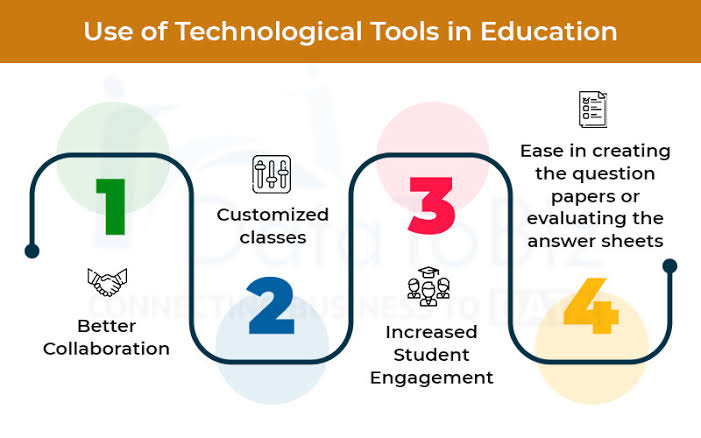
Some of the biggest advantages include:
- Faster access to learning resources
- Better collaboration between students and teachers
- Personalised learning experiences
- Improved organisation and productivity
- Interactive lessons that increase engagement
- Easy progress tracking and performance analysis
- Flexible learning from anywhere
These benefits help learners stay motivated while allowing educators to manage their workload more efficiently.
Different Types of Education Tools
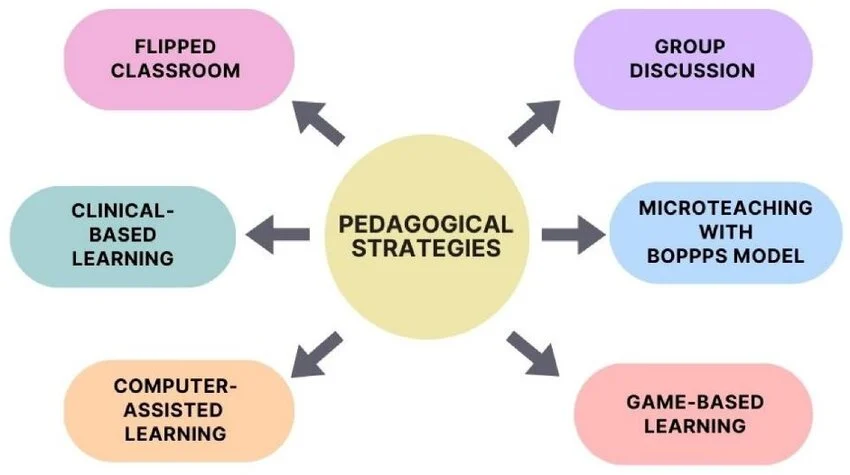
Learning Management Systems (LMS)
Learning Management Systems help schools and universities organise courses, assignments, quizzes, grades, and communication in one place. They provide a central hub where students can access learning materials anytime.
These platforms are particularly useful for online and hybrid learning environments.
Online Classroom Platforms
Virtual classroom tools allow teachers to conduct live lessons, share presentations, record sessions, and communicate with students in real time.
Many platforms also include screen sharing, breakout rooms, attendance tracking, and chat features that make online learning more interactive.
Note-Taking and Organisation Tools
Keeping notes organised is one of the biggest challenges for students. Digital note-taking tools help users create searchable notes, organise subjects, insert images, record audio, and synchronise content across multiple devices.
This makes revision much easier before exams.
AI-Powered Study Assistants
Artificial intelligence is changing education by providing instant explanations, personalised tutoring, grammar corrections, research assistance, and study recommendations.
AI study assistants save time while helping students understand difficult topics more effectively.
Quiz and Assessment Tools
Interactive quizzes help teachers evaluate student understanding while keeping lessons enjoyable.
These tools often include automatic grading, performance reports, and gamification features that encourage participation.
Collaboration Tools
Group projects become much easier with collaboration platforms that allow multiple users to edit documents, share files, communicate instantly, and manage tasks together.
Students can work from different locations without affecting productivity.
Key Features to Look for in Education Tools
Choosing the right education tool depends on your learning goals. Some important features include:
Easy-to-Use Interface
A simple design reduces the learning curve and helps users focus on education instead of figuring out complicated software.
Cross-Device Compatibility
The best tools work smoothly on laptops, tablets, and smartphones, allowing learning to continue anywhere.
Cloud Storage
Cloud-based platforms automatically save documents and make them accessible from any device with an internet connection.
Collaboration Features
Real-time editing, comments, file sharing, and messaging improve teamwork among students and educators.
AI Integration
Modern education platforms increasingly include AI-powered features such as personalised learning recommendations, automated feedback, and intelligent content suggestions.
Security and Privacy
Educational institutions handle sensitive student information, making strong security measures essential. Look for encrypted storage, secure logins, and privacy controls.
Benefits of Using Education Tools
Better Learning Experience
Interactive lessons, videos, quizzes, and visual content help students understand concepts faster than traditional methods alone.
Increased Productivity
Education tools automate repetitive tasks such as grading, attendance, scheduling, and assignment distribution, giving teachers more time to focus on teaching.
Improved Communication
Students, teachers, and parents can stay connected through announcements, messaging systems, and shared calendars.
Flexible Learning
Online access allows students to study at their own pace, revisit recorded lessons, and continue learning from any location.
Personalised Education
Many platforms analyse learning behaviour and recommend study materials based on individual strengths and weaknesses.
How Teachers Benefit from Education Tools
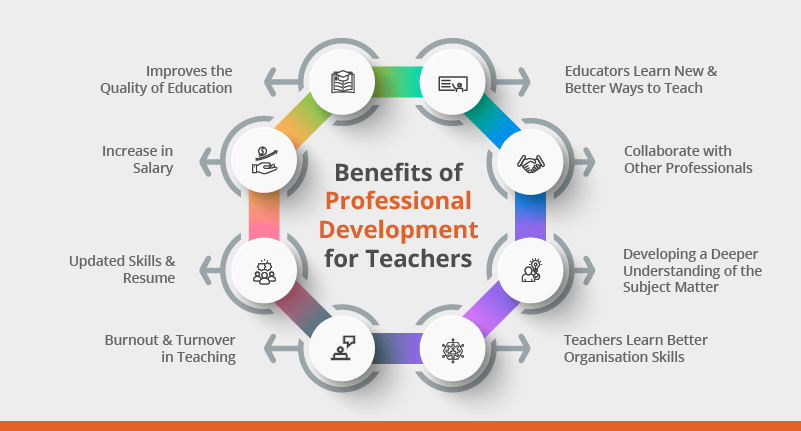
Teachers spend significant time preparing lessons, grading assignments, and managing classrooms. Education tools reduce administrative work through automation.
They also provide valuable insights into student performance, making it easier to identify learners who need additional support. Interactive lessons improve classroom participation, while digital resources allow teachers to create more engaging learning experiences.
How Students Benefit from Education Tools
Students gain access to unlimited learning materials, practice tests, video tutorials, digital libraries, and collaborative workspaces.
Instead of relying only on textbooks, learners can explore interactive simulations, educational games, AI tutors, and multimedia resources that make studying more enjoyable.
Many tools also encourage self-paced learning, helping students build confidence and improve problem-solving skills.
Tips for Choosing the Right Education Tool
Not every platform is suitable for every learner. Before selecting an education tool, consider the following:
- Identify your learning objectives.
- Compare features instead of choosing the most popular option.
- Look for free trials before purchasing.
- Check compatibility with your devices.
- Read genuine user reviews.
- Ensure the platform offers reliable customer support.
- Consider future scalability if used by schools or organisations.
Taking time to compare options helps you invest in tools that genuinely improve learning outcomes.
Future Trends in Education Tools
Education technology continues to evolve rapidly. Some of the biggest trends expected in 2026 include:
- AI-powered personalised learning paths
- Virtual Reality (VR) classrooms
- Augmented Reality (AR) educational experiences
- Adaptive learning systems
- Intelligent assessment tools
- Voice-assisted learning platforms
- Learning analytics powered by artificial intelligence
- Gamified education experiences
- Blockchain-based digital certificates
- Increased accessibility for learners with disabilities
These innovations are making education more inclusive, engaging, and efficient for learners worldwide.
Common Mistakes to Avoid

Many students and educators invest in software without evaluating whether it meets their actual needs. Avoid choosing tools based only on popularity or price.
Another common mistake is using too many different platforms at once, which can create confusion and reduce productivity. Instead, focus on a small collection of reliable tools that integrate well with each other.
Regular training is also important. Even the best education platform delivers limited value if users do not understand its features.