
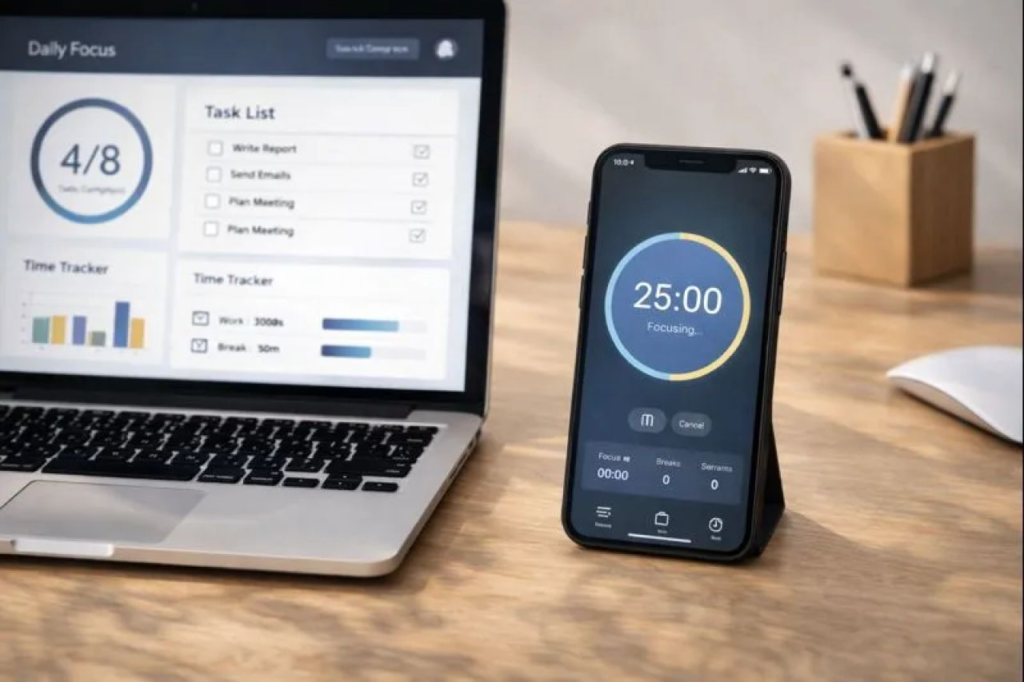
We have all experienced that distinct feeling of quiet dread that sets in when you look at your phone at nine in the morning and realize your day is already completely running you. Your inbox is flooded with unread emails, your calendar is a messy puzzle of overlapping meetings, your kitchen counter is buried under a pile of unpaid bills, and your brain is buzzing with a dozen random tasks you were supposed to finish yesterday. It is an incredibly exhausting way to live—feeling like you are constantly sprinting forward but somehow falling further behind with every single step.
In the fast-paced, hyper-connected world of 2026, our collective understanding of productivity has undergone a massive, much-needed reality check. The old, toxic hustle-culture narrative that told us to work ourselves to the bone, sacrifice our sleep, and fill every single second of our day with intense activity has officially crumbled.
Instead, people have realized that true productivity isn’t about doing more things; it is about doing the right things with absolute focus, clarity, and peace of mind.
To achieve that, you need a reliable system that takes the heavy burden of remembering everything out of your head and puts it onto a structured canvas. That is precisely where a thoughtful daily routine planner steps in. It is not an instruments of restriction designed to turn you into a rigid robot; it is a supportive anchor built to protect your mental energy and give you your time back. Let’s look at how utilizing a modern planning framework can transform your chaotic daily schedule into a calm, structured, and deeply fulfilling life.
Why Daily Routine Planning Matters
When you jump straight out of bed and dive into your day without a clear vision, you are immediately forcing your brain into a frantic, purely reactive state. You spend your precious morning energy drifting from one distraction to another, responding to everyone else’s emergencies, and wondering what you should focus on next. This mental drifting causes cognitive friction and decision fatigue, leaving you completely drained before lunchtime even arrives.
[The Reactive Approach] ──► No Clear Plan ──► Constant Distractions ──► Mental Fatigue & Burnout

                                                       VS.

[The Planned Approach]  ──► Clear Roadmap ──► Laser-Like Focus      ──► Sustained Sense of Calm
Writing down your daily itinerary creates an objective, visual roadmap for your energy. It externalizes your mental clutter so your brain can stop panicking about forgetting an appointment or missing a deadline. When you consolidate all of your scattered responsibilities into one centralized system, you instantly lower your daily stress hormones, clear your mind of background anxiety, and gain the confidence needed to approach your tasks with ease and grace.
Setting Clear Daily Goals
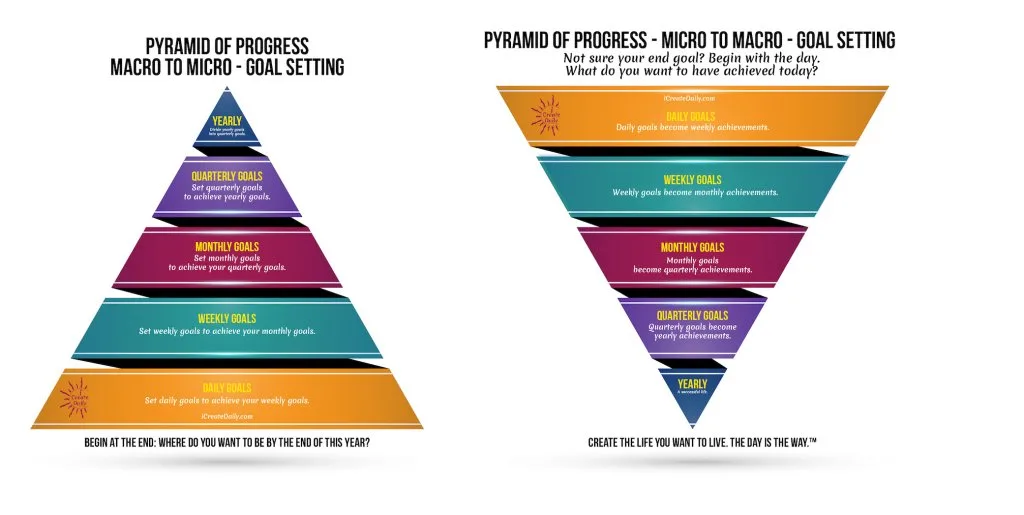
The biggest mistake most people make when sitting down to plan their day is writing an enormous, completely unrealistic list of twenty different tasks. When you look at an overloaded list like that, your brain feels totally overwhelmed, short-circuits, and naturally drifts toward easy distractions like scrolling through social media. True planning success requires mastering the art of ruthless priority curation.
Instead of trying to conquer the entire world in twenty-four hours, look at your schedule and pick out just two or three high-impact objectives that will genuinely move the needle for your long-term goals. These are your non-negotiable anchors for the day. By narrowing your focus down to a few essential milestones, you protect yourself from feeling scattered, maintain high momentum, and finish your evening with a deep, satisfying sense of actual progress.
Time Blocking for Better Focus
Our minds were never designed to answer emails, write a creative proposal, text a friend, and listen to a conference call all at the exact same time. Every single time you quickly switch your attention back and forth between different activities, you suffer from a hidden mental tax known as attention residue. Part of your brain stays trapped thinking about the last task, which completely shatters your concentration and slows down your output.
Time blocking fixes this fragmentation by dividing your day into dedicated, predictable pockets of time for specific tasks. You might dedicate your first two hours of the morning strictly to deep, creative projects, block out thirty minutes after lunch for administrative emails, and set aside the late afternoon for phone calls and planning. Creating these clean, protective boundaries around your time eliminates multitasking and trains your brain to enter a deep, highly efficient flow state.
Prioritizing Important Tasks

All tasks are simply not created equal. In any given day, about eighty percent of your long-term results will come from just twenty percent of your actual efforts. Yet, it is incredibly easy to spend your entire afternoon working on low-value, easy tasks—like organizing your desktop folders or filing away old messages—while completely avoiding the difficult, highly meaningful work that actually matters.
To break out of this avoidance trap, adopt the habit of tackling your most challenging, high-priority objective first thing in the morning when your mental clarity and energy levels are at their absolute peak. Once you finish that heavy, important task, a massive wave of relief washes over your entire day. The remaining administrative items look incredibly easy by comparison, and you can coast through your afternoon without any heavy guilt weighing down your spirit.
Building Consistent Habits
We like to think that massive life transformations are the result of grand, dramatic gestures or sudden bursts of intense motivation. But the reality is that motivation is completely unreliable—it disappears the second you feel tired, cold, or stressed out. True, lasting lifestyle change is built in the trenches of your ordinary days through the power of automated micro-habits.
[Burst Motivation]  ──► Extreme Workouts ──► Soreness & Injury ──► Gives Up in Two Weeks

                                                       VS.

[Micro-Habits]      ──► 15-Minute Walks  ──► Consistent Rhythm  ──► Lifetime Physical Fitness
A great daily routine planner acts as an objective accountability partner for these tiny behaviors. By keeping a simple, visual habit tracker inside your daily layout, you give yourself a tiny, rewarding hit of satisfaction every single time you check off a box for drinking water, reading ten pages of a book, stretching, or saving money. Over several months, these small, seemingly insignificant daily victories quietly compound into massive, life-altering transformations.
Balancing Work and Personal Life

If you do not intentionally schedule your personal life into your calendar, your professional obligations will happily expand to consume every single hour of your existence. It is dangerously easy to let work calls slide straight into your family dinner or scroll through work emails in bed, leaving you feeling like you are constantly on call and speeding directly toward severe emotional burnout.
True balance means treating your personal well-being, your hobbies, and your relationships with the exact same level of respect that you give to your corporate business meetings. Block out non-negotiable slots in your daily planner for a long walk outside, a date night with your partner, or an hour of uninterrupted reading time. Guard these personal slots fiercely. Nurturing your life outside of your career keeps your spirit refreshed and brings a much higher level of energy to your professional work.
Reducing Stress Through Organization
Living your life in a state of constant disorganization is an incredibly heavy drain on your nervous system. When your deadlines are scattered across random sticky notes, your grocery lists are lost inside your text messages, and your work tasks are buried deep inside your email inbox, your brain stays stuck in a permanent, low-grade state of fight-or-flight crisis management.
[Disorganized Chaos] ──► Scattered Notes ──► Background Anxiety ──► Fight-or-Flight Panic

                                                       VS.

[Centralized Clarity] ──► One Master Plan ──► Total Mental Space ──► Calm & Grounded Mind
A daily routine planner acts as a beautiful, calming sanctuary for your life’s details. Knowing that absolutely everything you need to accomplish, attend, and track is organized inside one single, trusted container provides immediate psychological relief. It clears away the visual noise, calms down your central nervous system, and allows you to step into each morning feeling completely grounded, centered, and in control of your destiny.
Digital vs. Paper Planners

The debate between digital and paper planning systems is entirely personal, as both frameworks offer incredible benefits depending on how your brain processes information. Traditional paper planners provide a highly tactile, deeply satisfying sensory experience. The physical act of writing down your goals by hand slows down your thoughts, engages your motor memory, and gives you a wonderful, screen-free space to reflect on your life without notifications interrupting your focus.
On the other hand, digital planning platforms offer unmatched speed, flexibility, and real-time connectivity. They allow you to easily sync your schedule across your phone and laptop, set up automated alarms so you never miss a meeting, and instantly rearrange your entire day with a simple swipe when unexpected changes occur. Ultimately, the best tool is the one that brings you the most joy and matches the natural flow of your unique daily workflow.
Daily Routine Planner Features That Matter
When you are searching for the perfect planning tool, avoid overly complicated layouts that require hours of setup time. If a system feels like an annoying chore to maintain, you will inevitably give up on it within a couple of weeks. Look for intuitive, clean formats that prioritize functional utility over complex decoration.
The most effective systems focus on a few essential core areas: a dedicated space for your top daily priorities, a simple hourly timeline for time blocking, a clean checklist for miscellaneous tasks, and a small section for evening reflection or gratitude notes. Keeping your template clean and simple ensures that updating your planner stays a relaxing, life-giving habit rather than an extra item on your stressful to-do list.
Morning Planning for a Productive Day

Taking just ten quiet minutes to organize your thoughts every morning is one of the most self-respecting habits you can possibly develop. Before you open your laptop, look at your phone alerts, or start listening to the news, sit down with your planner and a hot cup of coffee to consciously design your upcoming day.
This morning pause allows you to mentally walk through your schedule, anticipate potential roadblocks, and decide exactly how you want to distribute your energy. It switches your mindset from a defensive, reactive posture into an empowered, highly intentional state. You stop letting the external world dictate your emotions and instead step out your front door as the true author of your own day.
Evening Planning for Better Preparation
The secret to a beautifully calm, stress-free morning actually begins the night before. Spending five minutes filling out your planner right before you go to bed creates a smooth, peaceful transition between your days. It allows you to review your wins, migrate any unfinished tasks to the next morning, and map out your upcoming schedule.
[No Evening Review]   ──► Brain Processes Tasks at Night ──► Restless, Anxious Sleep

                                                       VS.

[5-Minute Prep Habit] ──► Brain Fully Closes Out the Day ──► Deep, Restorative Rest
When you write down tomorrow’s roadmap before sleeping, you effectively empty your brain’s working memory. This prevents your mind from tossing and turning all night worrying about what you have to do the next morning. You fall into a much deeper, more restorative sleep and wake up the next day knowing exactly where to point your energy the second your feet hit the floor.
Essential Planning Principles at a Glance
| Strategic Habit | Core Daily Impact |
| Ruthless Selection | Narrows your focus to 3 crucial tasks to completely eliminate morning overwhelm. |
| Boundary Blocking | Dedicates specific, uninterrupted time blocks to high-value creative work. |
| Visual Habit Tracking | Provides a rewarding sense of progress to lock in small daily behaviors. |
| Evening Brain Dump | Clears mental clutter onto paper before bed to ensure deep sleep. |
Avoiding Common Planning Mistakes
The most common reason people abandon their planners is that they fall into the trap of over-scheduling every single minute of their day. They create a beautifully rigid, flawless timeline that leaves zero space for breaks, travel times, or unexpected emergencies. Then, the second a meeting runs late or a family issue pops up, their entire schedule falls apart like a house of cards, leaving them feeling frustrated and defeated.
To build a sustainable planning habit, you must leave clear breathing room inside your schedule. Leave a one-hour blank cushion in your afternoon to handle unexpected phone calls or administrative emergencies. Remember that your planner is a flexible, living guide meant to serve your human life—it is not a strict master that you need to fear or apologize to when things change.
Personalizing Your Planning System

At the end of the day, there is absolutely no single “perfect” planning method that works for every single human being on earth. We all have completely unique brains, career paths, personal responsibilities, and emotional energy patterns. A system that makes a corporate executive feel organized might make a creative artist feel incredibly trapped and uninspired.
Don’t be afraid to experiment with different formats until you find a rhythm that clicks with your lifestyle. Modify the templates, ignore the sections that don’t serve your goals, and make the planning space completely your own. The absolute magic of a daily routine planner doesn’t come from the brand name on the cover or the complexity of its features—it comes from the quiet, daily commitment you make to step back, respect your time, and live your life with true intent.