
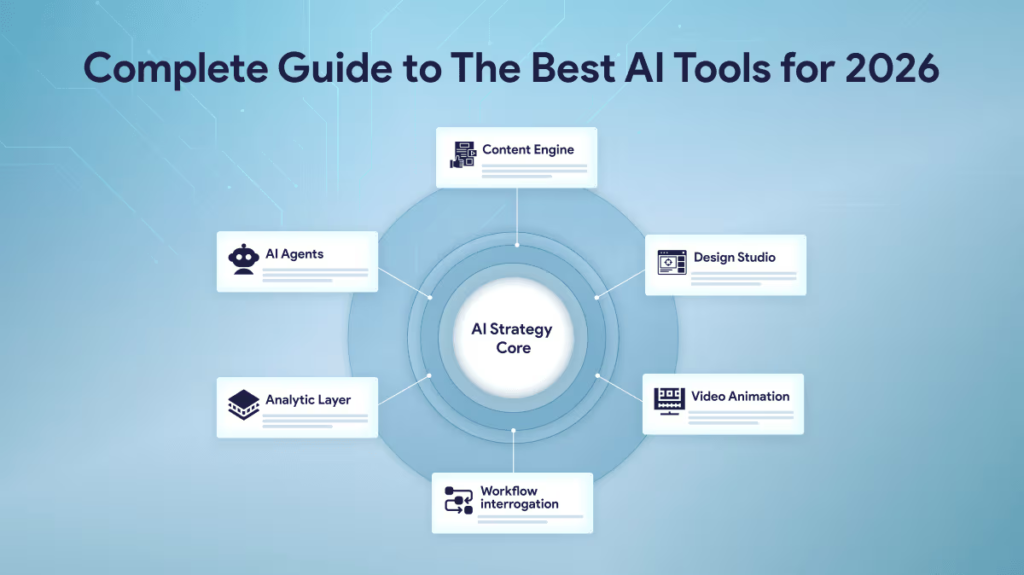
Artificial Intelligence has become an essential part of modern work, helping individuals and businesses create content, analyze data, automate workflows, design graphics, write code, and improve productivity. With hundreds of AI tools available, choosing the right one can be challenging. Every platform offers unique features, pricing, strengths, and ideal use cases.
Whether you’re a content creator, marketer, developer, entrepreneur, or student, comparing AI tools before making a decision can save time, money, and effort. The best AI tool isn’t necessarily the one with the most features—it’s the one that fits your specific needs.
This guide compares the most popular AI tools in 2026 and highlights where each one performs best.
Why Comparing AI Tools Matters

The AI market is growing rapidly, with new platforms launching almost every month. Some tools specialize in writing, while others focus on coding, image generation, automation, or business productivity.
Choosing the right platform depends on factors such as ease of use, accuracy, integrations, pricing, customization, and collaboration features. Understanding these differences helps you invest in software that genuinely improves your workflow.
ChatGPT vs Claude vs Gemini
These three AI assistants continue to dominate the conversational AI market.
ChatGPT is widely recognized for its versatility. It performs well in content writing, brainstorming, coding assistance, research, business planning, and everyday productivity. Its broad capabilities make it suitable for beginners and professionals alike.
Claude is known for producing natural, detailed writing and handling long documents exceptionally well. Many writers and researchers appreciate its thoughtful responses and ability to summarize lengthy reports.
Gemini integrates deeply with Google’s ecosystem, making it especially useful for users who frequently work with Google Workspace applications such as Docs, Gmail, Sheets, and Drive.
Each platform excels in different scenarios, so the best choice depends on your workflow rather than overall popularity.
AI Writing Tools Comparison
AI writing software has transformed content creation.
Some platforms specialize in SEO optimization, while others focus on marketing copy, blog writing, product descriptions, or email campaigns.
If your primary goal is producing long-form blog content, conversational AI assistants often provide greater flexibility. Businesses focused on advertising may prefer tools designed specifically for marketing copy.
Professional writers generally combine AI-generated drafts with manual editing to maintain originality, accuracy, and brand voice.
AI Image Generators Compared
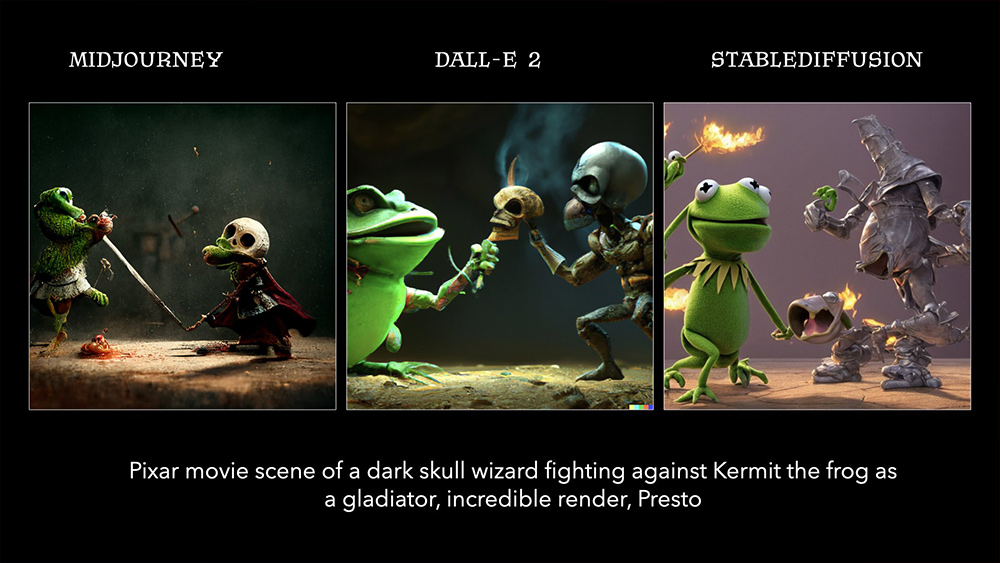
Image generation technology continues improving rapidly.
Some AI image tools produce highly realistic photographs, while others specialize in artistic illustrations, concept art, product mockups, or marketing graphics.
Designers often evaluate image generators based on image quality, prompt understanding, editing capabilities, customization options, generation speed, and commercial licensing.
Businesses increasingly use AI-generated visuals for advertisements, social media posts, presentations, and website graphics.
AI Video Creation Tools
Video production once required advanced editing skills and expensive software. AI has simplified much of this process.
Modern AI video tools can generate presenters, subtitles, voiceovers, animations, background music, and video summaries automatically.
Content creators compare video tools based on editing flexibility, avatar quality, language support, rendering speed, and export options.
AI video software is especially useful for educational content, marketing campaigns, product demonstrations, and social media videos.
AI Coding Assistants
Software developers increasingly rely on AI coding assistants to improve productivity.
Modern coding tools help generate code, explain complex functions, identify bugs, recommend improvements, and automate documentation.
Developers often compare coding assistants based on programming language support, code accuracy, debugging capabilities, IDE integrations, and security recommendations.
Rather than replacing programmers, AI accelerates software development while reducing repetitive coding tasks.
AI Design Platforms
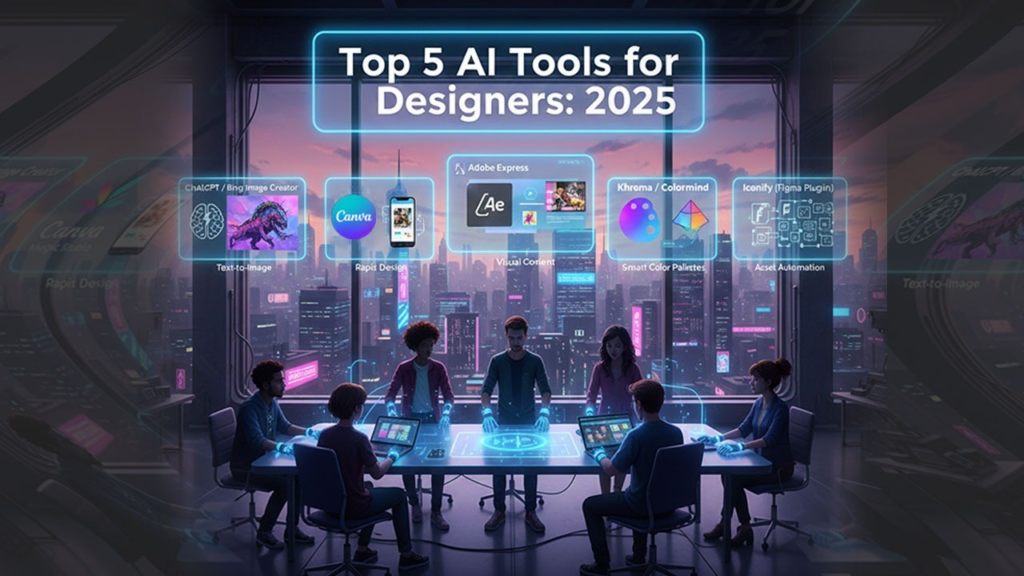
Graphic design has become more accessible through AI-powered creative tools.
Today’s design platforms help users create presentations, social media graphics, logos, advertisements, and marketing materials with minimal design experience.
When comparing design software, users typically evaluate template quality, customization options, collaboration features, export formats, and ease of use.
Businesses benefit by producing professional-looking designs without hiring dedicated designers for every project.
AI Productivity Tools
Productivity platforms combine note-taking, task management, scheduling, document organization, and workflow automation.
Many AI productivity tools summarize meetings, generate action items, organize projects, and automate repetitive administrative work.
Professionals compare these platforms based on collaboration features, integration with workplace software, mobile accessibility, and automation capabilities.
These tools help individuals save time while improving organization across personal and professional projects.
AI Automation Platforms
Automation software connects multiple applications and performs repetitive tasks without manual intervention.
Businesses use automation platforms to transfer data between applications, automate customer communication, generate reports, update databases, and streamline business operations.
When comparing automation tools, important factors include supported integrations, workflow complexity, ease of setup, scalability, and pricing.
Automation is becoming increasingly valuable for organizations seeking greater efficiency with fewer manual processes.
AI Meeting Assistants
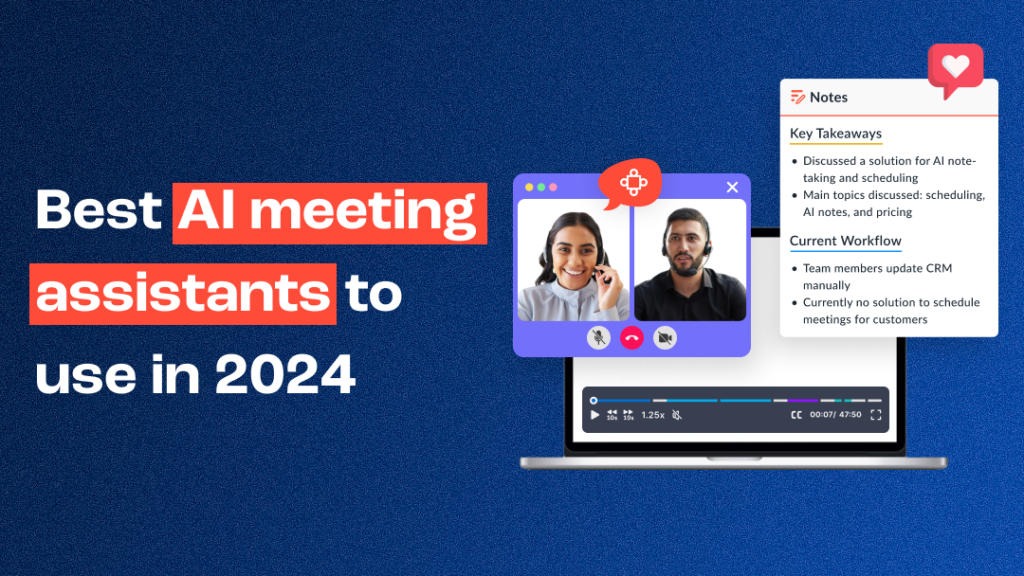
Virtual meetings generate enormous amounts of information.
AI meeting assistants automatically record conversations, generate transcripts, summarize discussions, identify action items, and organize meeting notes.
Businesses compare meeting assistants based on transcription accuracy, language support, integration with conferencing software, and collaboration features.
These tools help teams stay organized while reducing administrative work after meetings.
AI Search Tools
Traditional internet searches continue evolving through conversational AI.
Modern AI search tools provide summarized answers instead of simply displaying lists of websites. They combine information from multiple sources while allowing users to ask follow-up questions naturally.
When evaluating AI search platforms, users consider response accuracy, source transparency, research capabilities, and citation quality.
Researchers, students, and professionals benefit from faster access to organized information.
AI Tools for Marketing
Marketing professionals now rely heavily on Artificial Intelligence.
AI marketing platforms assist with keyword research, email personalization, social media scheduling, customer segmentation, content generation, advertising optimization, and campaign analysis.
Businesses compare marketing tools based on automation features, analytics, CRM integration, SEO capabilities, and reporting.
The right platform can significantly improve marketing performance while reducing manual workload.
What Should You Consider Before Choosing an AI Tool?
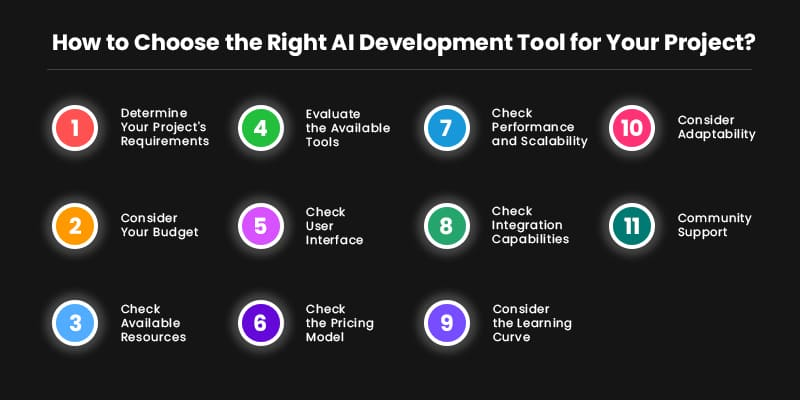
Choosing the right AI software requires more than comparing features.
Start by identifying your primary objective. A content writer may prioritize writing quality, while a developer values coding assistance and a designer focuses on image generation.
Budget also matters. Many AI platforms offer free plans that allow users to test features before purchasing premium subscriptions.
Integration is another important consideration. Tools that connect with your existing workflow often provide greater long-term value.
Finally, consider privacy and security. Businesses handling sensitive information should evaluate how AI providers manage user data and comply with security standards.
Future of AI Tool Comparisons
As Artificial Intelligence continues evolving, AI platforms are becoming increasingly specialized.
Instead of using one tool for every task, many professionals combine multiple AI solutions into a single workflow. For example, one platform may generate content, another creates images, a third edits videos, while automation software connects everything together.
The future will likely focus on integrated AI ecosystems that allow different tools to communicate seamlessly.