

Productivity isn’t about staying busy every minute of the day. It’s about making meaningful progress on the tasks that matter most. Many people believe they need to work longer hours to achieve more, but the truth is that having a well-planned daily routine is often far more effective than simply working harder. A productive routine helps you stay focused, manage your time wisely, reduce stress, and create a healthier balance between work and personal life.
Whether you’re a student, a working professional, a freelancer, or an entrepreneur, building a daily routine can help you accomplish your goals more efficiently. The best routines are not rigid schedules that leave no room for flexibility. Instead, they provide structure while allowing you to adapt to life’s unexpected changes.
This guide explains how to create a daily routine that increases productivity, improves focus, and helps you achieve consistent success.
Why a Daily Routine Matters

Every successful person has one thing in common: consistency. A daily routine removes the need to constantly decide what to do next. Instead of wasting time making small decisions throughout the day, you already know your priorities and can focus your energy on completing them.
A structured routine also reduces procrastination. When your day has a clear plan, it’s easier to start important tasks rather than delaying them. Over time, these consistent actions become habits that require less effort to maintain.
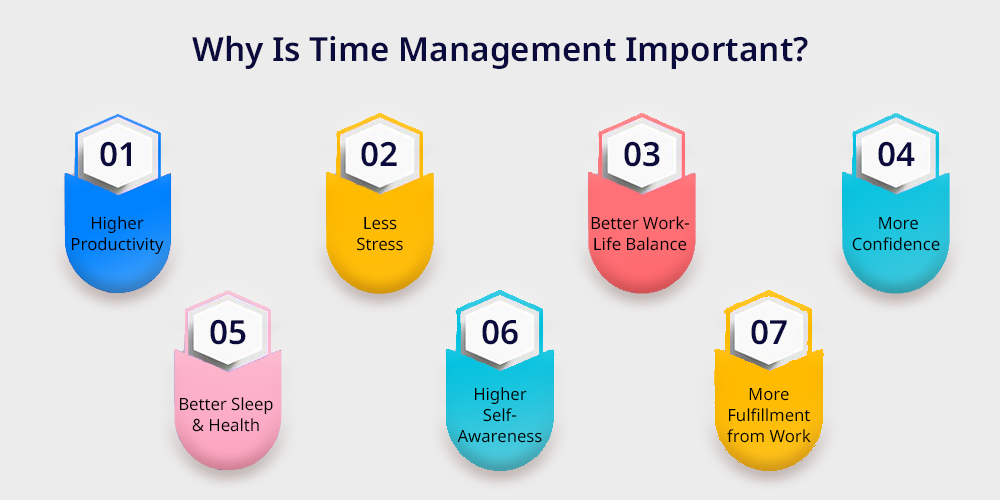
Beyond improving productivity, a daily routine supports better mental health, reduces stress, improves work-life balance, and creates a sense of accomplishment at the end of each day.
Start with Clear Goals
A productive routine begins with knowing what you want to achieve. Without clear goals, it’s easy to spend the day completing tasks that feel busy but don’t contribute to meaningful progress.
Take time to define both your long-term and short-term goals. Long-term goals might include earning a promotion, starting a business, improving your health, or learning a new skill. Short-term goals are the daily and weekly actions that move you closer to those larger ambitions.
Each morning, identify your top three priorities. Completing these important tasks first ensures that your most valuable work gets done, even if unexpected responsibilities arise later.
Wake Up at a Consistent Time
Your morning sets the tone for the rest of the day. Waking up at the same time each day helps regulate your body’s internal clock, making it easier to feel alert and energized.
You don’t need to wake up at 5 a.m. unless it suits your lifestyle. The key is consistency. Choose a wake-up time that allows you to sleep for seven to nine hours and gives you enough time to prepare for the day without rushing.
Avoid checking your phone immediately after waking up. Instead, spend the first few minutes stretching, drinking water, practicing gratitude, or planning your day.
Create a Morning Routine That Works for You
An effective morning routine doesn’t need to be complicated. Simple habits performed consistently can significantly improve your focus and energy.
Many productive people begin their day with light exercise, meditation, journaling, reading, or reviewing their goals. Even spending fifteen to thirty minutes on these activities can improve concentration and reduce stress.
Choose activities that leave you feeling refreshed rather than overwhelmed. The purpose of a morning routine is to prepare your mind and body for a productive day.
Plan Your Day in Advance

One of the easiest ways to increase productivity is to plan your day before it begins. This can be done the evening before or first thing in the morning.
Write down everything you need to accomplish, then prioritize tasks based on importance rather than urgency. Completing high-impact work early in the day often leads to greater satisfaction and better results.
Using a digital calendar, planner, or task management app can help organize appointments, deadlines, and reminders while keeping your schedule manageable.
Use Time Blocking to Stay Focused
Time blocking is a simple yet powerful productivity technique. Instead of working through an endless to-do list, assign specific time periods for each task.
For example, dedicate two hours to focused work, thirty minutes to checking emails, one hour for meetings, and another hour for learning or professional development.
This approach minimizes distractions and helps prevent tasks from taking longer than necessary.
Remember to include short breaks between work sessions. Brief pauses improve concentration and reduce mental fatigue.
Limit Distractions Throughout the Day
Distractions are one of the biggest obstacles to productivity. Notifications, social media, unnecessary emails, and constant interruptions make it difficult to stay focused.
Create an environment that supports concentration. Silence non-essential notifications, keep your workspace organized, and avoid multitasking whenever possible.
Working on one task at a time usually produces higher-quality results than trying to manage several activities simultaneously.
If you work from home, communicate your working hours with family members to minimize interruptions during important tasks.
Take Care of Your Physical Health
Your productivity depends heavily on your physical well-being. Without enough energy, even the best-planned routine becomes difficult to maintain.
Start by getting enough sleep each night. Most adults perform best with seven to nine hours of quality sleep.
Eat balanced meals that provide lasting energy rather than relying on sugary snacks or excessive caffeine. Stay hydrated throughout the day, as even mild dehydration can reduce concentration.
Regular physical activity also boosts productivity by improving mood, reducing stress, and increasing energy levels. Even a short walk during lunch can refresh your mind and improve afternoon performance.
Include Time for Learning
The most productive people never stop learning. Setting aside time each day to improve your knowledge helps you stay competitive and confident.
Read books related to your profession, listen to educational podcasts, complete online courses, or watch expert tutorials.
Continuous learning not only develops valuable skills but also encourages creative thinking and problem-solving.
Even twenty minutes of focused learning each day can produce significant long-term benefits.
Avoid Perfectionism
Many people confuse productivity with perfection. Waiting until everything feels perfect often leads to procrastination.
Instead, focus on making steady progress. Completing a task at a high standard is usually more valuable than delaying it indefinitely while trying to make it flawless.
Accept that mistakes are part of learning. Every completed project provides valuable experience that helps improve future work.
Progress always beats perfection.
Review Your Day
A productive routine doesn’t end when work finishes. Spending a few minutes reviewing your day helps identify what went well and what could be improved.
Ask yourself simple questions:
Did I complete my most important tasks?
What distracted me today?
What can I improve tomorrow?
This daily reflection encourages continuous improvement while helping you build more effective routines over time.
Make Time for Rest and Personal Life

True productivity isn’t about working every waking hour. Rest is essential for maintaining energy, creativity, and motivation.
Schedule time for family, hobbies, exercise, reading, or simply relaxing. These activities recharge your mind and prevent burnout.
Healthy work-life balance leads to better long-term productivity than constant overwork.
Remember that sustainable success depends on maintaining both professional achievement and personal well-being.
Stay Flexible
No routine works perfectly every single day. Unexpected meetings, family responsibilities, illnesses, or emergencies will occasionally disrupt your schedule.
Rather than becoming frustrated, adjust your routine while maintaining your most important habits.
Flexibility allows you to recover quickly without abandoning your long-term goals.
A successful routine adapts to life’s changes instead of breaking because of them.
Build Consistency Over Time
The greatest benefit of a daily routine comes from repetition. Small actions performed consistently produce remarkable long-term results.
Reading ten pages each day becomes multiple books each year. Exercising thirty minutes daily leads to improved health. Saving a small amount regularly builds financial security.
These small improvements compound over time, creating meaningful personal and professional growth.
Don’t underestimate the power of consistency.